Need Assitance?
Call us at 844-203-6588.
We Accept


If your brand demands a booth that reads as a permanent fixture rather than a portable backdrop, the Modco modular display deserves a close look. Built around rigid hard panels rather than fabric or tube frames, this system projects a solidity that catches attention at the floor level -- the kind that signals to passing attendees that your company invests in its presence. It sits in a category of its own within the modular trade show displays lineup at Showfire, and for exhibitors who show frequently and need durability to match their ambitions, it is often the right fit. Understanding what makes it distinct -- and when it might not be the right call -- is what this page is designed to help you figure out.
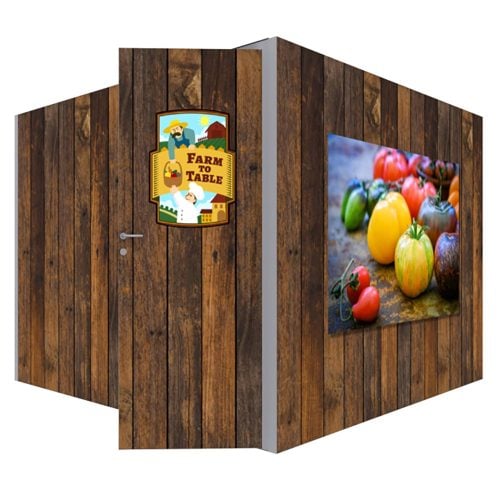
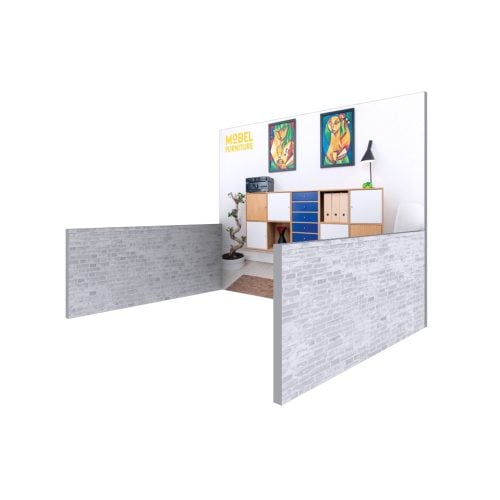
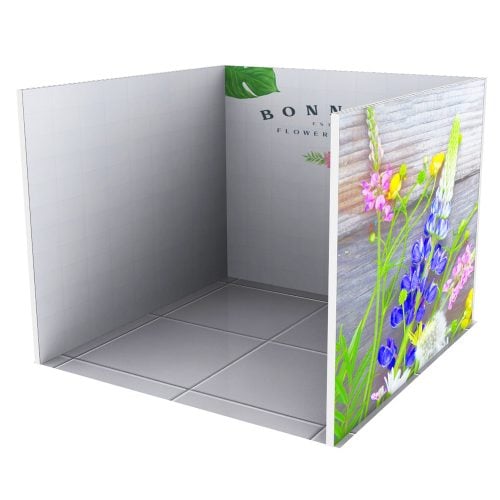
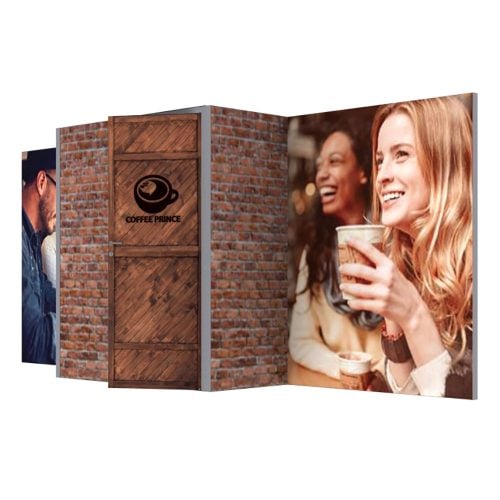
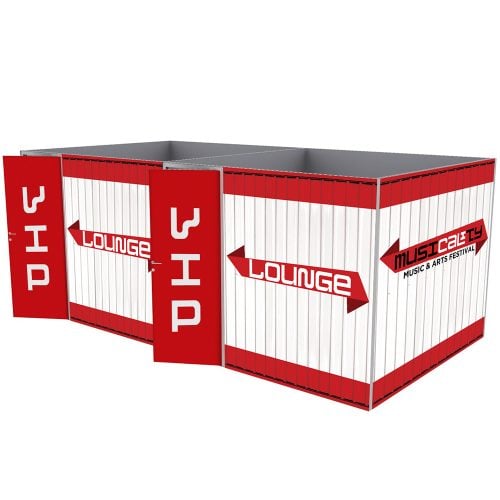
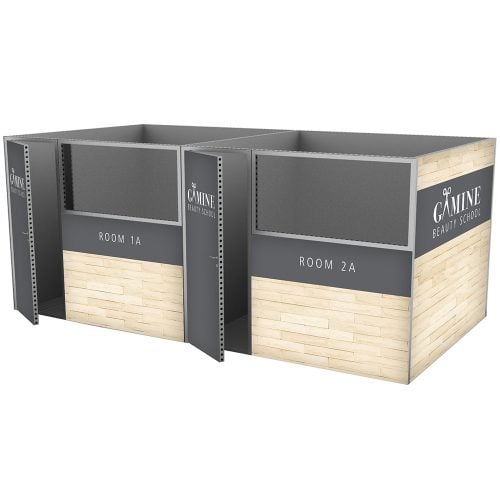
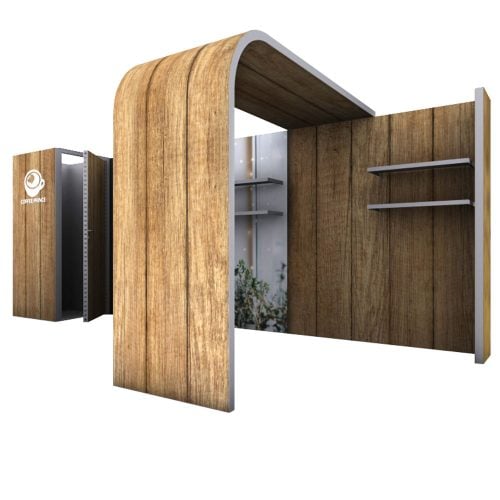
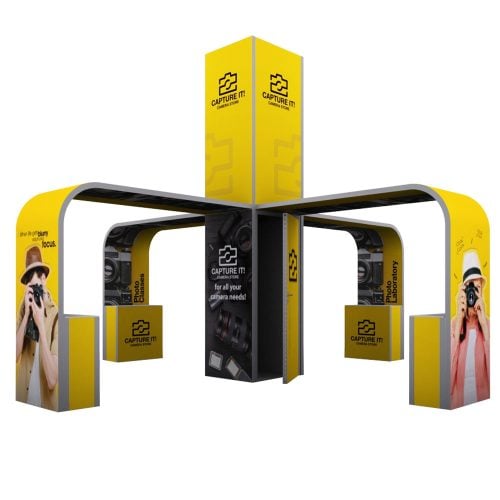
Most modular systems trade on flexibility and portability. The Modco modular display trades on substance. The core construction uses hard panel components that lock together into configurations ranging from simple backwall setups to multi-element layouts featuring towers, counters, and integrated storage. That rigidity translates into a finished booth that does not sway, sag, or show seams the way stretched fabric walls sometimes can.
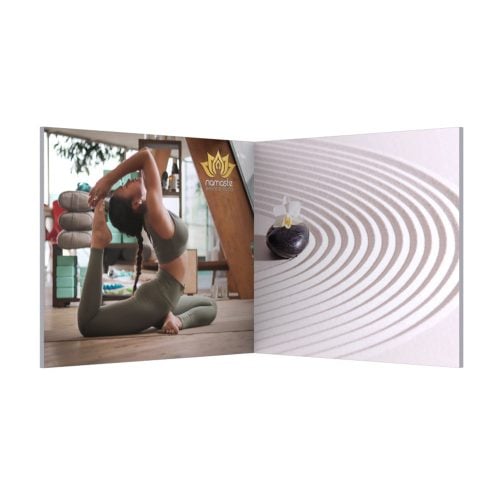
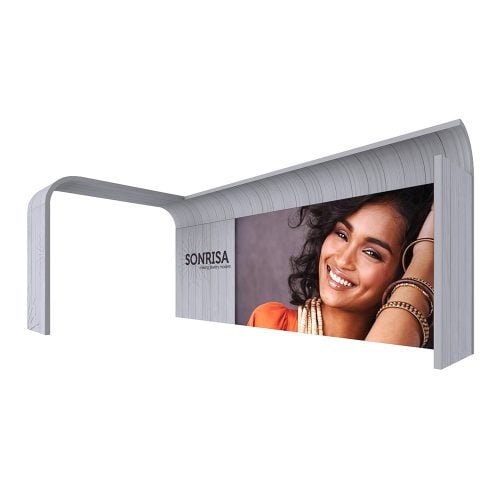
The panel surfaces accept high-resolution graphics printed directly or applied as face graphics, giving you a clean, flat branding canvas across the entire display face. Unlike tension fabric, there is no risk of graphic distortion from uneven stretching. What you proof is what you get on the floor.
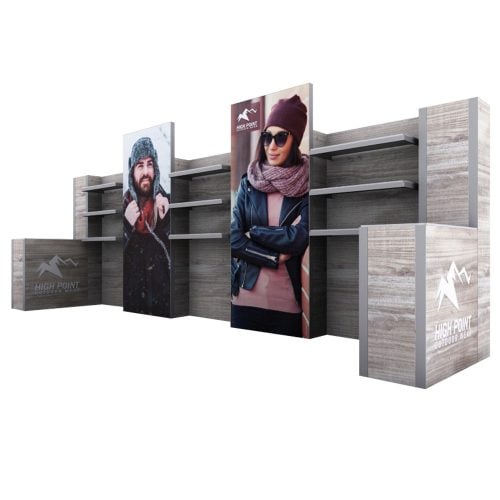
The modco 7 tower display configuration is one of the most popular reasons buyers come to this system specifically. A 7ft tower element anchors the booth with vertical presence without requiring ceiling rigging permissions -- a significant practical advantage at venues with strict hanging restrictions.
Not every exhibitor needs hard panel construction. Here is a practical breakdown of who gets the most value from this format:
If you are newer to exhibiting or you show once or twice a year at small regional events, a lighter fabric-based format from the modular display buying guide might serve you better on the budget side. But for brands that treat trade shows as a primary sales channel, the Modco's durability math works in your favor over a two- to three-year horizon.
One of the strongest arguments for a hard panel modular display is the accessory ecosystem that surrounds it. Modco panels are engineered to accept a range of hardware attachments that turn the display into a working booth environment rather than a simple graphic backdrop.
Monitor integration is a standout feature here. A modco display with monitor mount capability means your AV presentation lives inside the booth structure itself -- no awkward floor stand, no cable runs across open space, no additional rental equipment. The monitor locks into the panel at the right viewing height, and the cable management stays hidden behind the panel face.
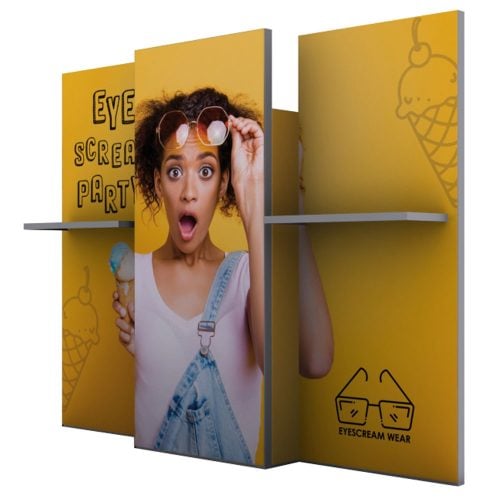
Shelving and product display follow the same logic. A modco with shelves transforms a backwall into a product showcase, useful for companies launching new items or demonstrating physical products at the show. Shelves attach and remove without tools in most configurations, so your setup crew is not hunting for hardware at 7 AM on show morning.
Counter and storage configurations are also available, letting you build a fully enclosed booth with lockable storage underneath -- a genuine practical need if you carry product samples, printed collateral, or expensive equipment that cannot be left unattended during break periods.
Here is a quick reference for common configuration categories:
| Configuration Element | Primary Benefit | Best Suited For |
|---|---|---|
| Tower (7ft vertical) | Height and visual presence | Brands needing vertical reach without rigging |
| Monitor mount panel | AV integration without floor stands | Tech, SaaS, and presentation-heavy exhibitors |
| Shelf panels | Product and literature display | CPG, retail, and product launch booths |
| Counter with storage | Lead capture station and security | Any booth handling samples or equipment |
| Backwall-only layout | Clean graphic surface | Brand awareness and image-focused exhibits |
Before you configure a custom modco display, there are a few practical decisions worth working through.
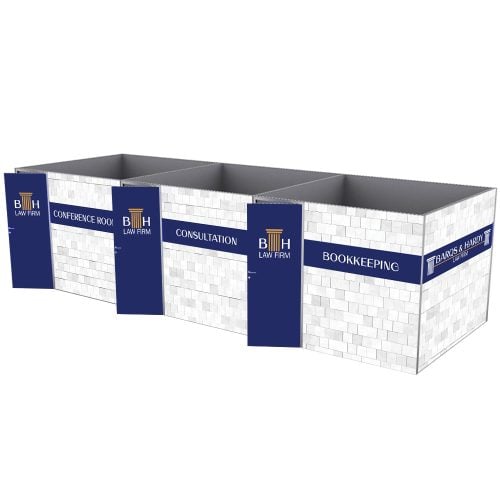
Footprint and reconfigurability. The Modco system is modular by design, meaning panels can be rearranged and combined into different layouts as your booth size changes from show to show. Confirm with your Showfire rep which panel combinations are compatible across the configurations you plan to use -- this affects how many panels you need to own versus rent or supplement.
Graphic strategy. Panel graphics are typically face-mounted prints. You will want to discuss file specifications, finish options (matte vs. laminate), and whether your graphics will be reproduced on individual panel tiles or printed as large-format pieces that span multiple panels. The latter gives a more seamless look but requires precise installation alignment.
Shipping and logistics. Hard panel systems are denser and heavier than fabric alternatives. That is a worthwhile trade when you need the finished look, but it affects your drayage costs at shows with weight-based material handling fees. Ask your exhibit house about crate options and estimated shipping weights before your first show.
Setup time and crew. A modco for trade show use typically requires two people and a couple of hours for a mid-size configuration. It is not a solo-setup system, and if your team is small, factor in the possibility of hiring show-site labor through the venue contractor.
Comparing this to other systems. If you are evaluating the Modco against other formats, it is worth knowing that the Timberline modular display uses a structured metal frame system that can achieve similar visual weight with different construction logic. The Qseg modular display takes an entirely different approach with tension fabric walls that are lighter to ship and faster to set up, at the cost of the hard panel aesthetic. And the EZ Connect display is a strong option for buyers who want a tube-frame backwall that ships in soft cases rather than crates. Each system has real trade-offs -- none is universally better -- and browsing the custom modular display options side by side is the fastest way to find the right fit.
Budget horizon. Hard panel systems carry a higher upfront investment than pop-up or fabric alternatives. The case for spending more is based on longevity and the savings from not replacing a cheaper system every two years. If you are not sure where the Modco fits relative to your total exhibit investment, the complete trade show displays buyer's guide covers the broader cost framework across system types, which is a useful reference before you commit to any format.
The modco modular display is designed for exhibitors who want their booth to look like they mean business -- not because it is expensive, but because it is built with permanence in mind. Hard panels, tower options, monitor integration, shelving, and a reconfigurable layout give you the tools to build a booth that functions as well as it looks, show after show.
If you are ready to move forward, reach out to the Showfire team for a configuration consultation. Bring your booth size requirements, your show schedule, and a sense of how your graphics and accessories need to work together. From there, a custom modco display built to your exact specs is closer than you might expect.
Explore the full range of 10x20 modular display options alongside the Modco, or dig into the modular trade show booth design guide for a deeper comparison across every system type Showfire carries. Either way, the right exhibit investment starts with knowing what you actually need -- and this system delivers when that answer is hard panel quality at trade show scale.