



Need Assitance?
Call us at 844-203-6588.
We Accept

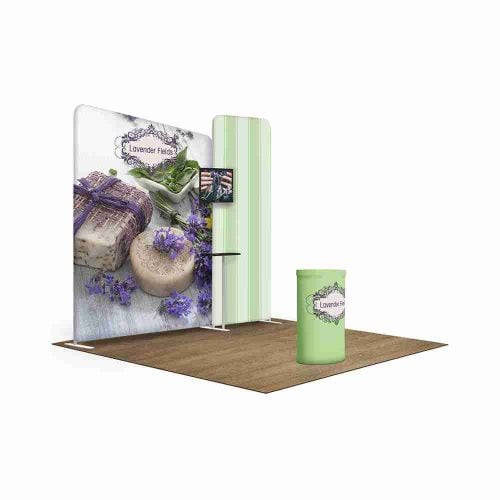

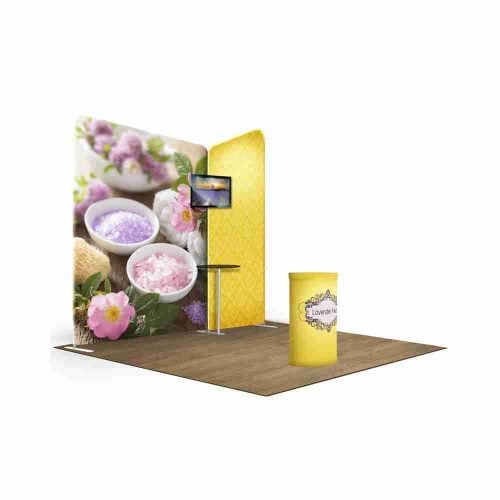
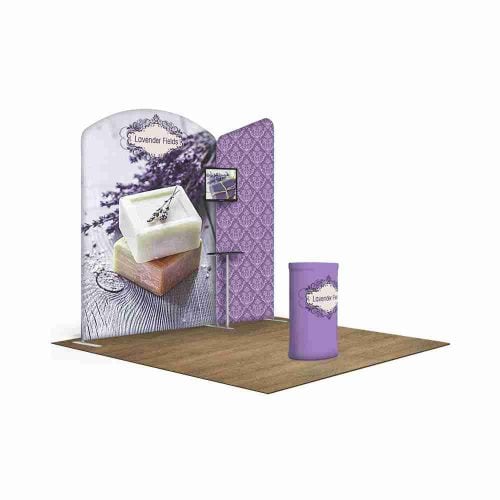
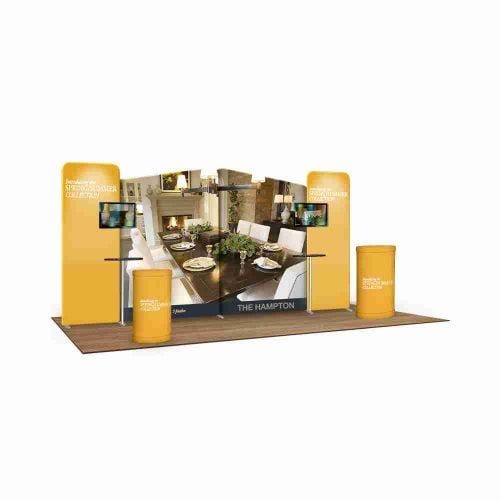
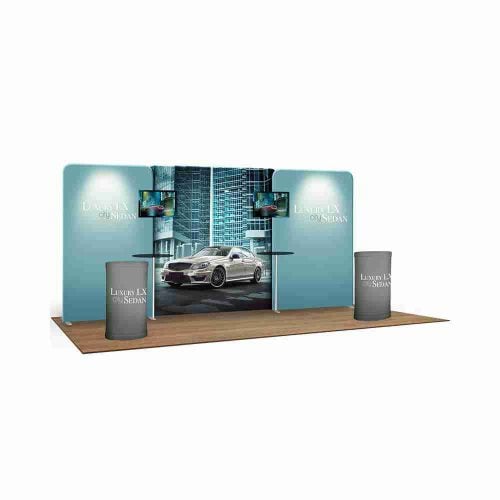
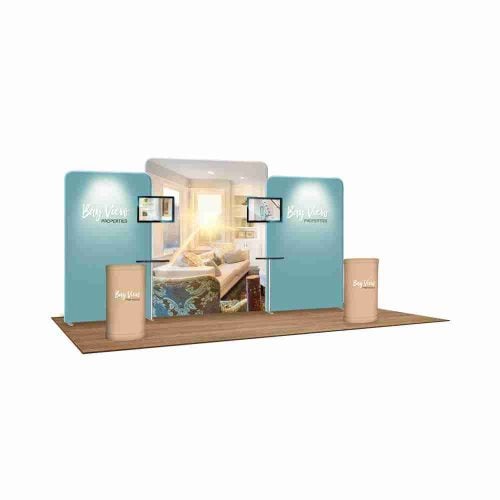
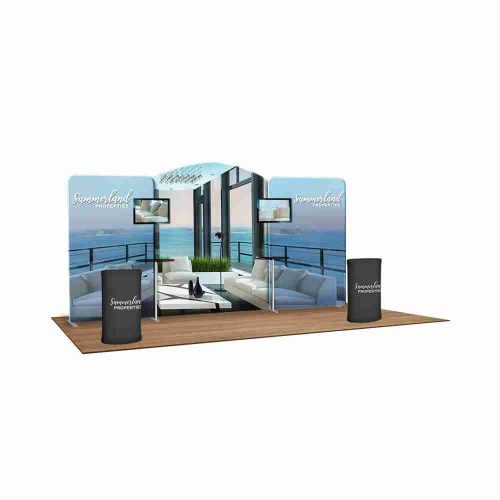
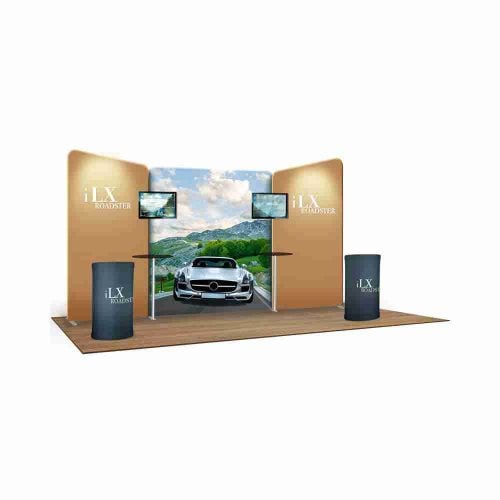
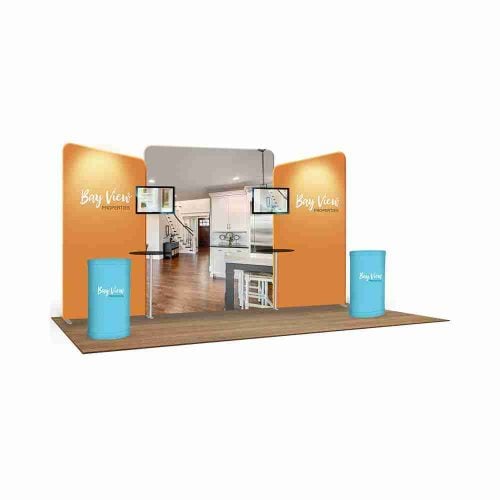
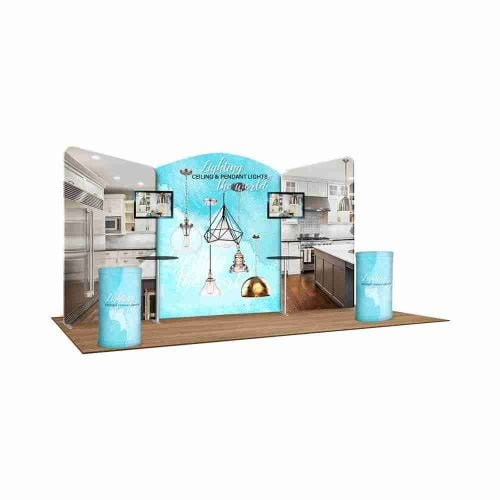
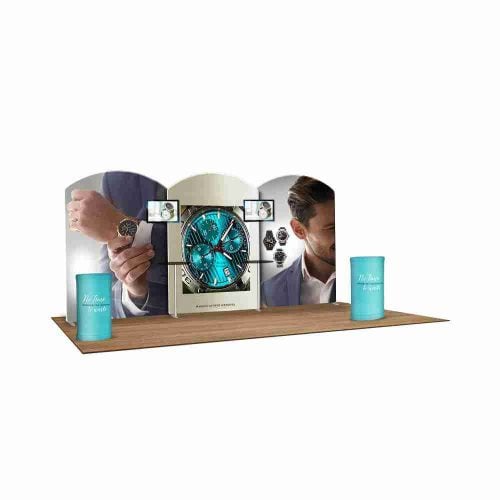
Curved booths draw the eye differently than flat walls -- not because they're flashy, but because they create a sense of depth and dimension that flat panels simply can't replicate. The wave tube modular display is built around that geometry, using a flexible tube frame system to produce smooth, flowing curves that feel intentional rather than incidental. If your brand identity leans toward energy, creativity, or approachability, this format gives your booth a physical shape that communicates those qualities before a visitor reads a single word of your copy. This page covers what the wave tube modular display is best suited for, what to think through before you buy, and how it compares to the other modular formats in the Showfire line.
Most trade show floors are grids -- straight aisles, square footprints, right-angle backwalls. A curved modular booth doesn't just look different in that environment; it functions differently. The curve creates a subtle sense of enclosure, drawing visitors inward rather than presenting a flat surface they walk past. It also gives your graphic a landscape-like quality, with the image wrapping around the display rather than sitting flat on it.
The wave tube modular display achieves this through a segmented aluminum tube frame that bends at specific intervals to form the wave profile. The tubing locks together without tools in most configurations, and the fabric graphic stretches over the frame using a silicone edge system that keeps everything taut and wrinkle-free. The result is a display that looks precision-built even when a single person assembles it in under an hour.
For exhibitors who have worked with pop-up displays or flat backwalls before, the transition to a curved tube modular format is straightforward -- the assembly logic is similar, but the finished product occupies space in a fundamentally different way.
The wave tube modular display is particularly well-matched to a specific kind of exhibitor. Here's a practical breakdown of who tends to get the most from this format:
This isn't a system for every situation. If you need integrated shelving, monitor mounts, or a complex island configuration, you'll want to look at formats with more structural add-on options. But for a high-impact backwall with a distinctive silhouette, very few systems in this price range compete with it.
Getting to the right configuration before you order saves time and avoids the cost of swapping components later. Work through these points in order.
The wave tube for trade show environments is most effective when the graphic is treated as the primary design surface -- not an afterthought. Because the display curves, your graphic will need to account for the wrap. Work with a designer who understands curved display templates; standard flat artwork stretched over a curved surface without adjustment will distort at the edges.
The fabric graphic for this system is typically a dye-sublimation print on a stretch polyester substrate. That process produces vivid, continuous-tone color that holds up through multiple shows and washes without significant fading. When you request a quote for wave tube modular price, ask specifically about the print resolution and whether the fabric is pillowcase-style (slipping over the frame) or uses a silicone edge gasket -- both are common, but the gasket style typically produces a cleaner edge finish.
The wave tube modular display is available in configurations that scale from a single-curve backwall suitable for a 10 x 10 footprint up to multi-curve arrangements spanning 20 feet or more. Before you commit to a size, confirm your exact booth allocation with the show organizer -- floor plans sometimes list nominal sizes that differ from the actual usable space after aisle markers and neighboring structures are factored in.
Think about growth as well. One of the practical advantages of modular systems is that you can add frame sections and a new graphic when you move into a larger booth, rather than replacing the entire system. If you're likely to move from a 10-foot to a 20-foot footprint in the next two or three show cycles, choose a system and a supplier that explicitly supports that kind of configuration expansion.
The curved tube sections for this format are longer than the components in some competing systems, which means the carry case or bag is also longer. Confirm the packed dimensions before you order if your storage space is limited or if you typically ship displays via standard ground freight rather than dedicated exhibit carriers. Soft-case packing is lighter and cheaper to ship; hard cases offer better protection if the display is frequently checked as cargo.
If you're still working through which system fits your needs, the modular display buying guide on Showfire walks through the full range of formats with side-by-side comparisons. It's particularly useful if you're deciding between curved and structured systems.
For exhibitors who need a flat fabric wall with strong scalability, the EZ Connect modular system offers a straight-profile alternative with fast setup and reliable graphics integration. And if your exhibit needs a more architecturally structured frame -- one that supports shelves, counters, or overhead signage -- the Timberline modular display is worth reviewing before you finalize your decision.
| Feature | Wave Tube Modular | EZ Connect Modular | Timberline Modular |
|---|---|---|---|
| Profile | Curved / wave | Straight tube | Structured frame |
| Setup complexity | Low | Low | Moderate |
| Graphic style | Seamless stretch fabric | SEG or stretch fabric | Fabric panels + hard elements |
| Structural add-ons | Limited | Moderate | Extensive |
| Best for | Brand-forward curved backwalls | Inline flat backwalls | Multi-function exhibits |
As the table shows, the wave tube format occupies a specific niche -- it's the strongest option for organic booth shapes and seamless graphic impact, but it trades some structural flexibility to achieve that look.
A custom wave tube display isn't just about choosing a size -- it's about matching the frame configuration to the graphic concept from the start. The most effective wave tube builds are ones where the designer and the exhibitor agreed on the curve layout before the artwork was created, so the visual peaks and valleys in the graphic align with the physical peaks and valleys in the frame.
Showfire prints graphics in-house, which means the same team managing your display configuration is also managing your print. That coordination matters because curved displays have tighter tolerances than flat ones -- a graphic that's off by a centimeter in tension placement will show it. When you buy wave tube display components and graphics together from a single source, the file specifications, tension allowances, and color profiles are already aligned.
If you're working from existing brand assets, Showfire's team can adapt them to the wave template. If you're starting from scratch, the product page includes template downloads and spec sheets to share with your designer.
The wave tube modular display sits within Showfire's full line of modular trade show displays, which covers everything from fabric SEG walls to structured hard-panel systems. If you're new to modular exhibits and want to understand how this format compares across all the system types before making a final call, the complete trade show displays buyer's guide covers the full landscape -- from portable displays through custom builds -- with practical guidance on matching a format to your show schedule, budget, and logistics constraints.
The curved tube modular category is a smaller slice of the modular market, but for the exhibitors it suits, it's consistently one of the most visually distinctive formats on the floor. If your booth needs to communicate energy, creativity, or brand confidence through its physical shape -- not just its graphics -- this system delivers that in a way that flat-panel formats cannot.
The wave tube modular display is available in multiple configurations with full custom graphics, and Showfire's team can walk you through size options, print specs, and pricing based on your specific show requirements. Get a free quote through the product page, or contact Showfire directly to discuss your booth layout before you commit to a configuration. The more detail you can share about your show schedule, footprint, and graphic goals, the faster the team can match you to the right build.