Need Assitance?
Call us at 844-203-6588.
We Accept

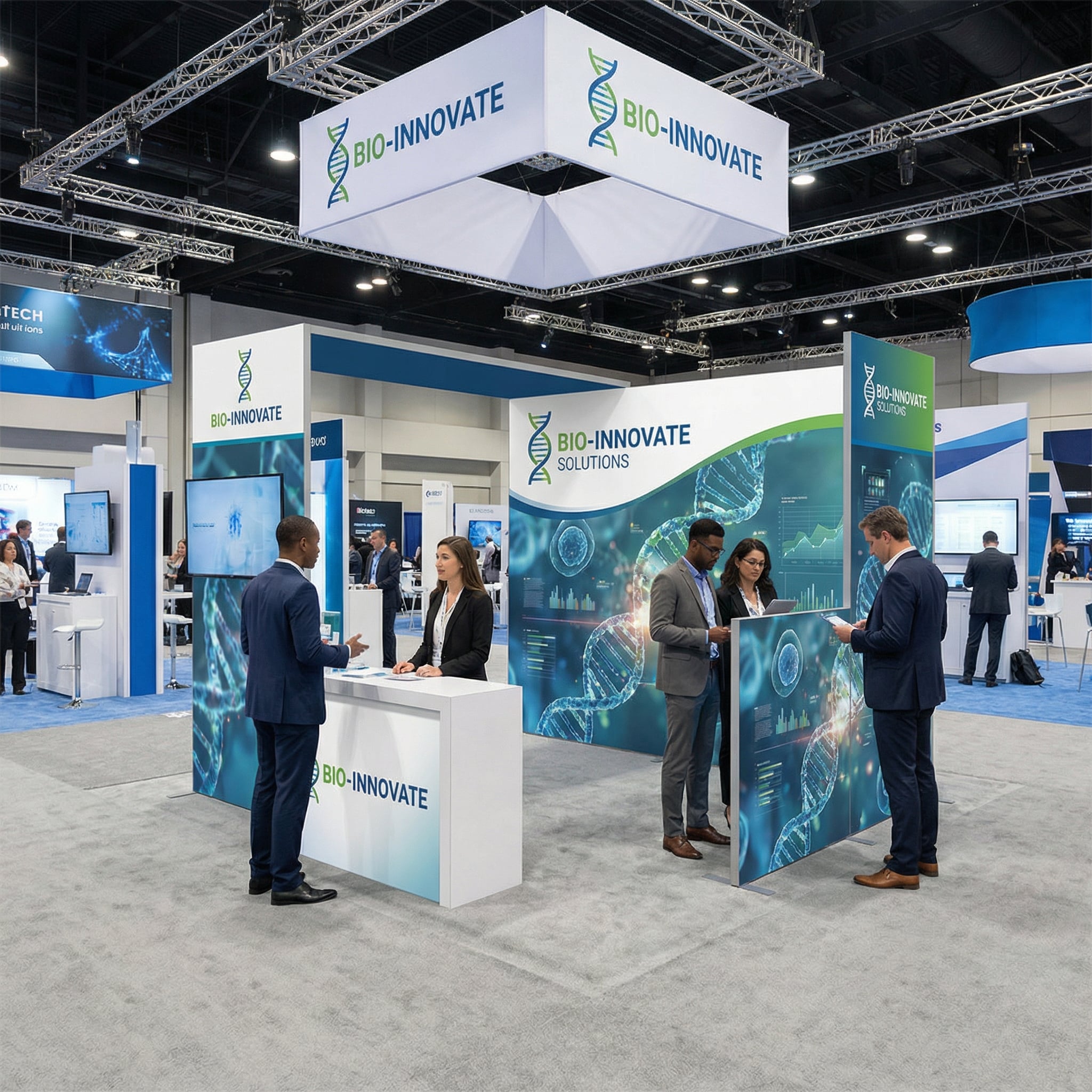
When your brand needs a trade show presence that can adapt to any booth size, reconfigure for different events, and deliver the polished look of a custom exhibit-without the custom price tag-modular trade show displays are the answer. These aluminum-frame systems snap, bolt, and slide together like building blocks, giving exhibitors the freedom to create everything from a compact 10×10 backwall to a sprawling 20×20 island exhibit using a single inventory of components.

Whether you’re a first-time exhibitor searching for an affordable modular display or a seasoned trade show veteran looking to maximize your investment across dozens of annual events, this modular display buying guide covers every type, size, configuration, and buying consideration you need. If you already know what you want, the modular trade show display collection lists every Showfire line by size. Think of it as the dedicated deep dive within our complete trade show displays buyer’s guide that focuses squarely on the modular category.
By the time you finish reading, you’ll understand the differences between modular booths, how to choose the right system for your goals, and how to stretch every dollar of your exhibit budget.
At its core, a modular display is any exhibit system built from standardized, interchangeable components that can be assembled in multiple configurations. The defining characteristics include:
The result is a system that sits in the sweet spot between portable pop-up displays and fully custom-built exhibits. You get the professional appearance of a custom booth with the flexibility and cost efficiency of a portable system.
Modular exhibition systems are ideal for companies that exhibit at multiple shows per year, need to scale their booth size depending on the event, or want a high-end look without commissioning a new build every time. They’re also popular among marketing teams that refresh brand messaging frequently because swapping graphic panels is fast and inexpensive.

Modular systems span a broad spectrum-from simple backwall kits to full island exhibits. Below is an overview of the primary categories, followed by a detailed look at each.
| Type | Typical Booth Size | Best For | Price Range |
|---|---|---|---|
| Modular Backwall | 10×10 – 10×20 | Inline booths, single-wall impact | $$ |
| Modular Inline Booth | 10×10 – 10×30 | Peninsula or inline with counters/kiosks | $$ – $$$ |
| Modular Island Exhibit | 20×20 – 30×30+ | Open-floor island spaces, large brands | $$$ – $$$$ |
| Modular Lightbox System | Any size | High-visual-impact branding | $$ – $$$ |
| Modular Rental Package | Any size | Budget-conscious or one-time exhibitors | $ – $$ |
Every line below is sold as a complete kit (frame, graphics, and case) with the option to buy replacement graphics later. The line you choose decides how the booth looks up close, how it packs, and how far it can grow.
| Line | What it is | Footprints | Best for |
|---|---|---|---|
| Qseg modular display | Tool-free SEG fabric frames that clip together; sold as Qseg single frames, custom Qseg display booth configurations A-J, and Qseg partitions for offices, queues, and isolation rooms | 1.3 x 2.4 ft panels up to 20 x 7.4 ft walls; 10×10 and 10×20 booths | Lightweight backwalls, frequent graphic changes, budget builds |
| Timberline modular display | Wood-look laminate and fabric hybrid with monitor mounts, counters, slat walls, and closet storage; 10ft Timberline display, 20ft Timberline display, 30ft Timberline display | 10×10, 10×20, 10×30 inline | Retail and corporate looks, product shelving, TV-led presentations |
| EZ Connect modular | Aluminum tube frames that connect into walls and towers; EZ Tube Connect kits in single- and double-sided versions | 3 x 3 ft to 5 x 5 ft modules, 10 ft kits | Entry-level modular, tabletop-to-floor upgrades, quick setups |
| Modco modular display | Hard panel system with 20 graphic packages, tower and counter options | 10×10, 20×10, 30×10, 20×20, 30×30 | Rigid panel graphics, large island and inline builds |
| Cabo modular display | Island booth packages A-E with meeting space, counters, and overhead branding | 20×20 island | Open-floor island spaces accessible from all sides |
| Wave Tube modular display | Curved tube frames with tension fabric graphics in twelve booth kits | 10×10 and 10×20 | Curved, organic shapes and lightweight shipping |
A modular backwall is the most common entry point into the modular world. These systems use aluminum extrusion frames to create a single rear wall-typically 8 ft to 10 ft tall-covered with fabric or rigid graphic panels. Many designs include integrated shelving, monitor mounts, and recessed storage behind the wall.
Because a modular backwall replaces a traditional pipe-and-drape backdrop with a seamless branded surface, it instantly elevates booth presence. At Showfire the backwall category starts with Qseg single frame walls and the EZ Tube Connect kit range. If you’ve been using a fabric pop up display and want to graduate to something sturdier and more configurable, a modular backwall is the natural next step.
Key features:
– Standard widths of 10 ft, 15 ft, and 20 ft
– Optional header bars and canopy overhangs
– SEG fabric graphics for wrinkle-free presentation
– Internal cable management for monitors and lighting
An inline booth kit expands on the backwall concept by adding side walls, counters, kiosks, and freestanding elements that fill the booth footprint. A typical 10×10 modular booth package might include a backwall, a reception counter, a monitor stand, and a small storage closet – all constructed from the same system. The 10ft Timberline display kits are built exactly this way, with monitor mounts, counters, and closet storage as options, and the custom Qseg display configurations cover the same footprint in fabric.
Because each piece is modular, you can reconfigure a 10×10 setup into a 10×20 by adding extension panels and a second counter. This scalability is what separates modular booths from fixed-dimension alternatives like retractable banner stands or tabletop displays.
A modular island exhibit is the flagship application of modular design-a freestanding structure accessible from all four sides, typically occupying a 20×20 or larger floor space. These exhibits can include:
Island exhibits were once the exclusive domain of expensive custom builds. Today, custom modular displays deliver the same visual impact while retaining the ability to reconfigure for smaller shows. Showfire’s island options are the Cabo modular display booths A-E and the 20×20 and 30×30 Modco modular display graphic packages. A 20×20 modular island can be broken down into two 10×10 inline booths, giving you maximum versatility from a single investment.
If your island design needs vertical branding visible across the show floor, consider adding a tower display or pairing your structure with trade show hanging banners for overhead visibility.
Lightbox modular systems incorporate edge-lit LED panels behind translucent fabric graphics, creating a luminous backwall or freestanding structure that commands attention on a crowded show floor. These are essentially backlit displays built on a modular aluminum extrusion framework.
The modular approach means you can mix backlit and non-backlit panels within the same structure-illuminating hero graphics while using standard panels for secondary messaging areas. This targeted lighting strategy controls costs while maximizing visual impact.
Not ready to invest in a purchase? A modular exhibit rental provides all the benefits of a modular system-professional aesthetics, reconfigurability, custom graphics-without the upfront capital expense. Rental programs are especially valuable for companies that:
Most rental packages include delivery, installation, and dismantling (I&D), which further simplifies the process. Showfire sells its modular systems outright; if you only exhibit once or twice a year, the lower-cost EZ Connect modular and Qseg single frame kits get you into modular for less than most one-show rentals. You can shop modular trade show displays on our site to compare the lines.
One of the strongest advantages of modular booths is their ability to scale. Here’s how common booth footprints map to modular configurations.
| Booth Footprint | Configuration Options | Typical Components |
|---|---|---|
| 10×10 (100 sq ft) | Inline backwall + counter (10ft Timberline display, Qseg trade show booth, Wave Tube modular display) | 1 backwall frame, 1 counter, 1 monitor mount |
| 10×20 (200 sq ft) | L-shape, U-shape, or extended backwall (20ft Timberline display, 20×10 Modco display) | 2 backwall frames, 2 counters, storage unit |
| 20×20 (400 sq ft) | Island or peninsula (Cabo island booth, 20×20 Modco) | 4 backwall frames, meeting room, kiosks, towers |
| 20×30 (600 sq ft) | Large island with overhead canopy (30ft Timberline display inline, 30×10 Modco) | 6+ frames, hanging sign, A/V area, storage |
| 30×30 (900 sq ft) | Multi-zone island | Full architectural structure with branded zones |
Imagine you purchase a modular display system designed for a 20×20 island exhibit. For your flagship annual conference, you deploy the full island. Two months later, you attend a regional show with only a 10×10 inline space-no problem. You pull a subset of the components, reconfigure, and create a polished 10×10 booth using the same frames and refreshed graphics.
This kind of scalability turns one investment into a multi-show solution, which is why wholesale modular displays are increasingly popular among companies managing exhibit programs across many events.
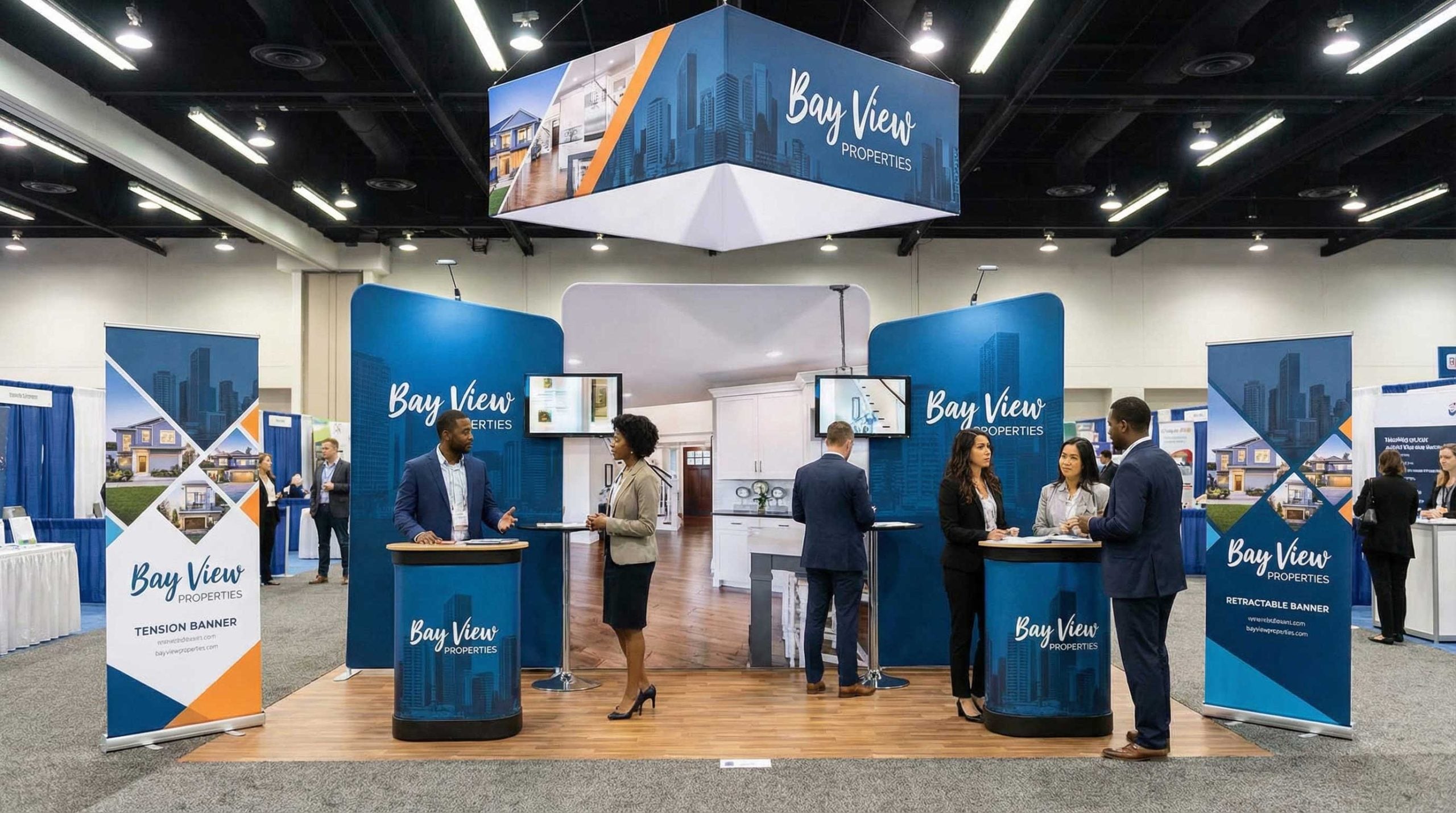
Selecting the perfect modular system comes down to five key decision factors. Let’s walk through each.
Start by mapping out every event you plan to attend over the next two to three years. Note the booth sizes you’ll occupy. The right modular system should accommodate your largest planned footprint while breaking down neatly into your smallest.
If you predominantly attend smaller events but occasionally need a large presence, an affordable modular display system that scales from 10×10 to 10×20 may be the smartest investment. For brands that regularly claim 20×20 or larger spaces, investing in a full modular island exhibit system pays dividends quickly.
How often will you need to update your messaging? Modular systems with SEG fabric graphics make swaps effortless-simply pull the old fabric from the channel and push in the new one. If you change messaging quarterly or for each event, prioritize systems with standardized graphic panel sizes so replacement prints are affordable.
For environments where you want to add accent branding to tables and counters, a custom table throw is an inexpensive way to extend your branded look without reprinting structural panels.
Modular systems ship in reusable crates or molded cases. Before buying, consider:
If your team travels light and needs the fastest possible setup, a hybrid approach-combining a modular backwall with roll up banner stands for flanking graphics-offers a great balance of impact and portability.
Budget is often the deciding factor. Here’s a general cost comparison to help you evaluate the financial picture.
| Scenario | Purchase | Rental |
|---|---|---|
| 10×10 modular backwall kit | $3,000 – $8,000 | $1,500 – $3,500/show |
| 10×20 modular inline booth | $8,000 – $18,000 | $3,500 – $8,000/show |
| 20×20 modular island exhibit | $20,000 – $60,000 | $8,000 – $20,000/show |
Rule of thumb: If you’ll use the system at three or more events, purchasing typically becomes more cost-effective than renting. For one or two events, a modular display package through a rental program keeps your cash flow healthy.
Modular doesn’t mean generic. Today’s custom modular displays rival fully custom exhibits in visual sophistication. Look for systems that offer:
If you need architectural drama that goes beyond standard modular framing, explore trade show truss systems, which use triangular or square aluminum truss sections for an industrial, high-tech aesthetic that complements modular exhibit components beautifully.
Understanding how modular systems compare to alternative display types helps you make a confident decision.
Pop-up displays use a collapsible lattice frame that springs open and accepts magnetic or Velcro-attached graphic panels. They’re extremely portable and budget-friendly, making them a staple for small booths. However, they offer limited structural customization-you can’t add shelves, meeting rooms, or monitor arms the way you can with a modular aluminum extrusion display.
If portability is your top priority and you’re working a simple 10×10 space, a fabric pop up booth is an excellent starting point. When you’re ready to graduate to a more versatile and professional system, modular is the logical upgrade path.
Fully custom exhibits are designed from scratch, built with wood, metal, and specialty materials, and typically offer the highest level of visual uniqueness. The trade-off? They’re expensive (often $50,000-$150,000+ for an island), they can’t be easily reconfigured for different show sizes, and they require professional I&D crews.
Modular booths bridge this gap. A well-designed modular island exhibit can look indistinguishable from a custom build at a fraction of the cost-and it can be reconfigured for next month’s show in a completely different layout.
An aluminum truss system uses triangulated aluminum tubing for a distinctive industrial look. Truss excels at creating open, airy structures and is ideal for brands in technology, entertainment, and automotive sectors. Modular systems, by contrast, offer cleaner, more corporate lines with flat graphic surfaces.
Many exhibitors actually combine both: modular walls and counters on the ground level with truss overhead structures for dramatic height. This hybrid approach is increasingly common in 20×20 and larger modular exhibition spaces.
| Factor | Modular | Pop-Up | Custom-Built | Truss |
|---|---|---|---|---|
| Reconfigurability | 5/5 | 2/5 | 1/5 | 3/5 |
| Visual Sophistication | 4/5 | 3/5 | 5/5 | 4/5 |
| Portability | 3/5 | 5/5 | 1/5 | 3/5 |
| Cost Efficiency (Multi-Show) | 5/5 | 4/5 | 2/5 | 4/5 |
| Setup Ease | 4/5 | 5/5 | 2/5 | 3/5 |
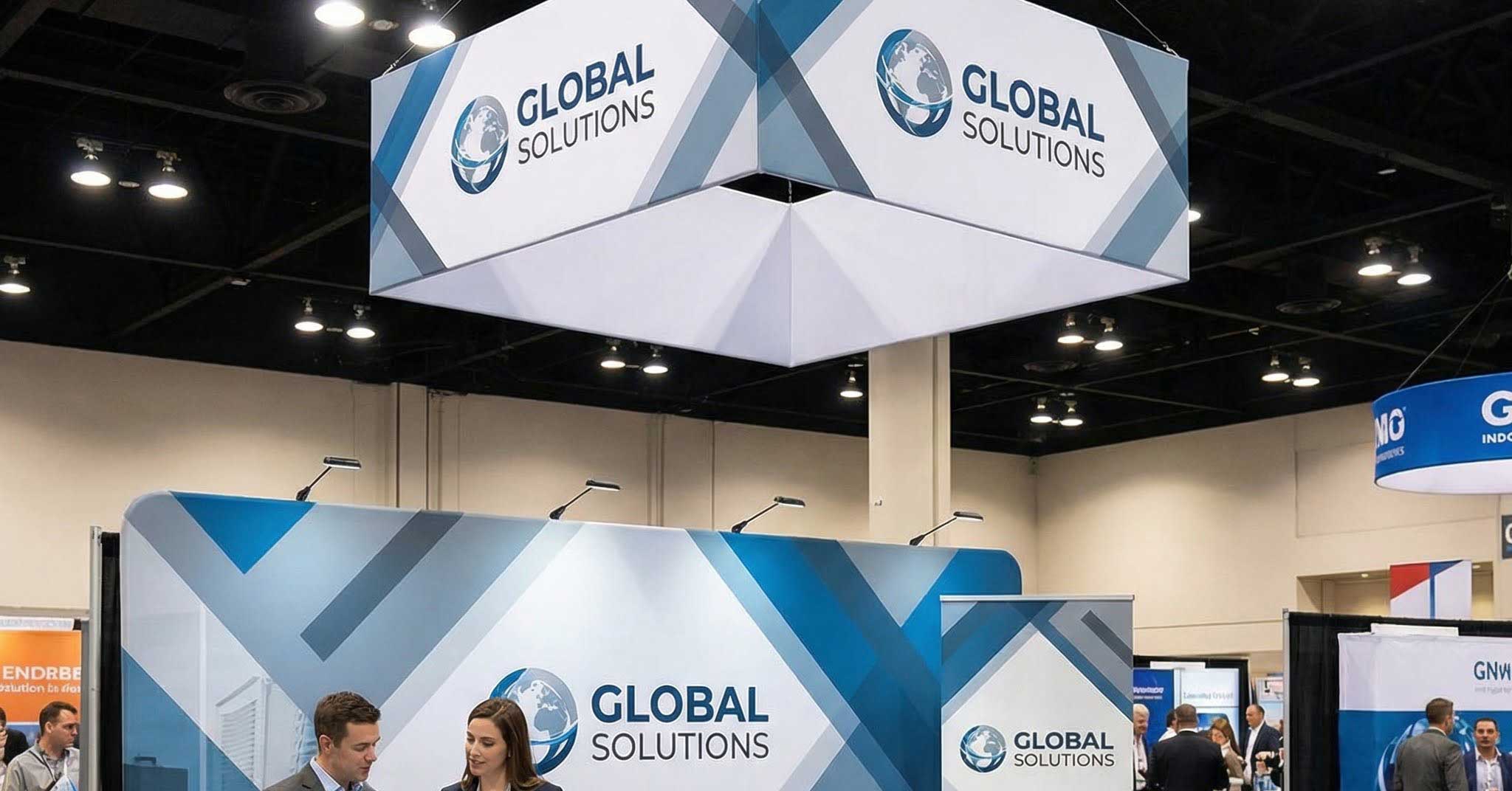
Purchasing a modular display is just the beginning. Here are strategies to extract maximum value from your system.
Good modular booth design starts with the sightline from the aisle: put the one message you want remembered on the tallest, most central panel, keep the lower third of the backwall free of small text (it sits behind people), and give monitors and counters their own panel so graphics do not fight the hardware. Choose one line for the whole booth rather than mixing systems, so the frame profiles, fabric finish, and connectors match; the Timberline modular display and Qseg modular display lines both offer enough components to build a complete space without borrowing from another system.
Because modular frames are designed to last for years-even a decade or more-your ongoing investment should focus on fresh graphics. Budget for at least one new set of SEG fabric panels per year, and consider event-specific messaging for your highest-priority shows. New graphics on a proven frame make your booth feel brand new at a fraction of replacement cost.
Modular systems accept a wide range of accessories that enhance functionality without requiring a new booth. Consider adding:
You can also layer in complementary display products. A pair of banner stands flanking your booth entrance creates a gateway effect. A branded tower display placed at a corner serves as a wayfinding beacon. And a beautifully designed custom table cover on your demo table ties the entire visual identity together.
Even if you own a modular system, rental components can supplement your inventory when you need a larger booth for a flagship event. Renting additional backwall sections, counters, or a meeting room enclosure for one show is far more economical than purchasing components you’ll only use once a year.
Modular components are durable, but repeated shipping without proper cases leads to scratched frames and wrinkled graphics. Custom-fit molded cases or padded crates protect your investment and streamline packing. Most modular display systems include cases that double as counters when fitted with a graphic wrap-an elegant dual-purpose solution.
A standard 10×10 modular backwall can be assembled by two people in approximately 30-60 minutes. A 10×20 inline booth typically takes 1-2 hours. Larger island exhibits (20×20 and above) generally require 4-8 hours and may benefit from a professional I&D crew, though many modular systems are still simpler to install than fully custom builds.
Yes. Most 10×10 and 10×20 modular systems pack into one to three rolling cases or flat crates that ship via standard freight. They’re heavier than pop-up displays but far lighter than custom-built exhibits. For outdoor events where you might also use a custom canopy tent, modular components share similar shipping logistics.
In most cases, yes. Many aluminum extrusion display systems accept retrofit LED light bars or edge-lit panel inserts. If you’re starting from scratch and know you want illumination, consider a system designed from the ground up as a lightbox modular display, or explore our SEG backlit display guide for purpose-built backlit solutions.
“Portable” typically refers to lightweight, self-contained displays (pop-ups, banner stands, tabletop displays) that one person can carry and set up in minutes. “Modular” refers to component-based systems that offer greater structural complexity and customization. There is some overlap-small modular kits can be quite portable-but modular systems generally prioritize versatility and visual impact over ultra-light weight.
Aluminum extrusion frames require minimal maintenance. Wipe them down with a damp cloth after each show. SEG fabric graphics can be machine-washed on a gentle cycle or dry-cleaned. Store frames in their shipping cases in a climate-controlled space, and hang fabric graphics or fold them loosely to prevent deep creases.
Absolutely. Many modular island exhibits are engineered to support overhead hanging banners via integrated rigging points or by coordinating with the convention center’s ceiling rigging. Hanging signs dramatically increase visibility across the show floor, making them a popular addition for exhibitors in 20×20 or larger spaces.
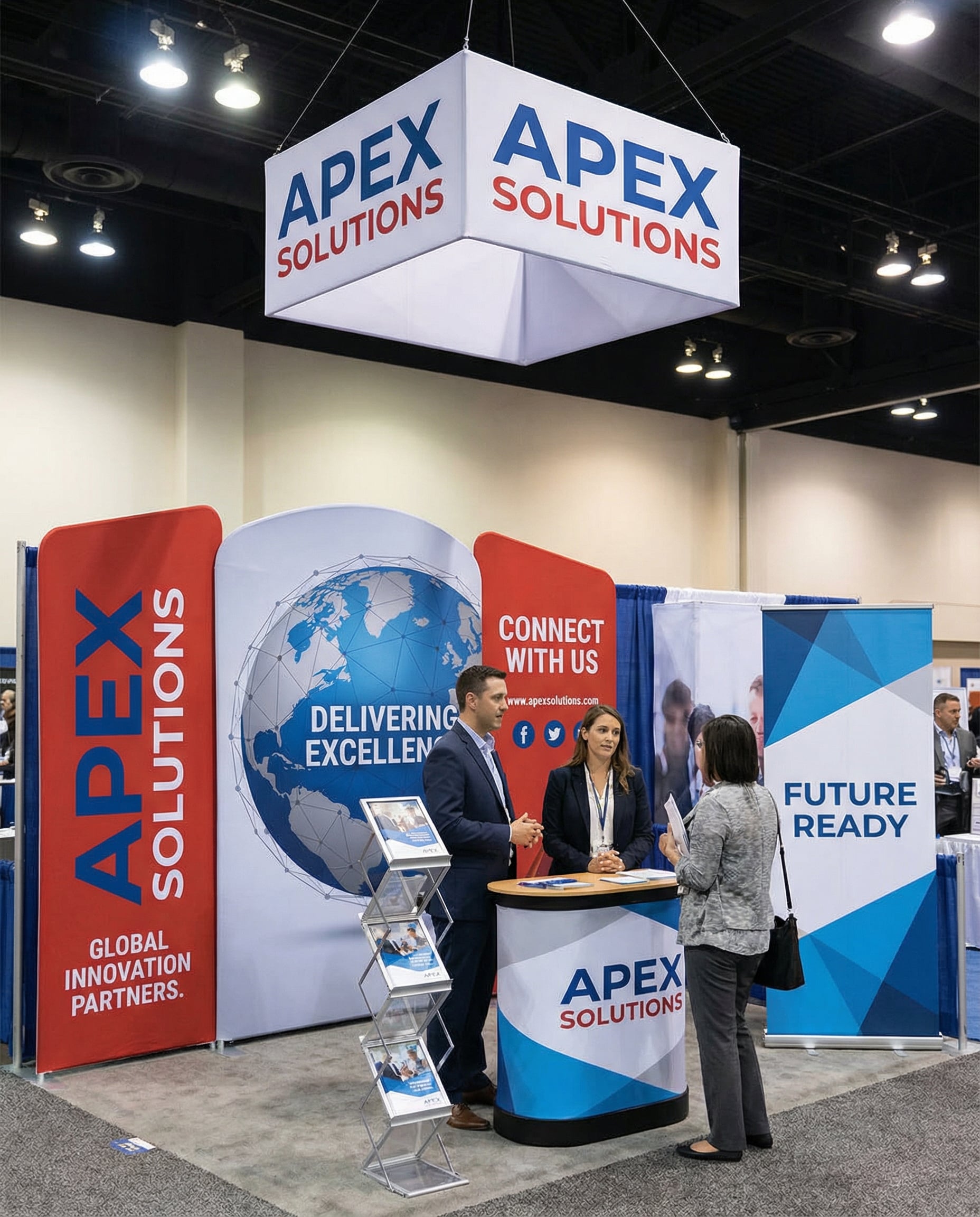
A modular display system is a powerful asset, but it works best when integrated into a cohesive trade show marketing strategy. From pre-show promotions and lead capture planning to post-show follow-up, your exhibit is just one piece of the puzzle. Our trade show marketing guide covers the full lifecycle of event marketing and pairs well with the display selection advice in this article.
When planning your booth layout, think about traffic flow and engagement zones. Use your modular walls to create semi-private demo areas, position counters at the booth perimeter for quick conversations, and reserve interior space for deeper sales meetings. The flexibility of modular display systems makes this kind of strategic zoning possible at every booth size.
At Showfire Displays, we specialize in helping exhibitors find the right modular solution-whether that’s a compact backwall for a regional conference or a full-scale island exhibit for your industry’s biggest annual event. Our catalog covers six modular lines at different price points – Qseg, Timberline, EZ Connect, Modco, Cabo, and Wave Tube – and our team can help you plan configurations that scale across your entire show schedule.
We also offer wholesale modular displays for resellers, event agencies, and high-volume exhibitors who need competitive pricing on multi-unit orders. Every system we sell comes with high-resolution dye-sublimation printed graphics, reusable shipping cases, and straightforward assembly instructions.
Ready to explore your options? Browse our modular trade show displays to see current packages, pricing, and configuration examples. And if you’re still in the early stages of evaluating different display categories, our trade show displays guide provides a comprehensive overview of every product type-from event tents and light box displays to hanging signs and beyond.
Modular trade show displays offer the rare combination of professional aesthetics, limitless reconfigurability, and long-term cost efficiency. Whether you’re stepping up from a simple pop-up, downsizing from expensive custom builds, or launching your very first exhibit program, a modular system positions your brand for success at every event on your calendar.
Here’s your next step: Visit the modular displays collection to explore packages by booth size, compare features, and request a quote. Our team is ready to help you design a modular exhibit that grows with your brand-show after show, year after year.