Need Assitance?
Call us at 844-203-6588.
We Accept
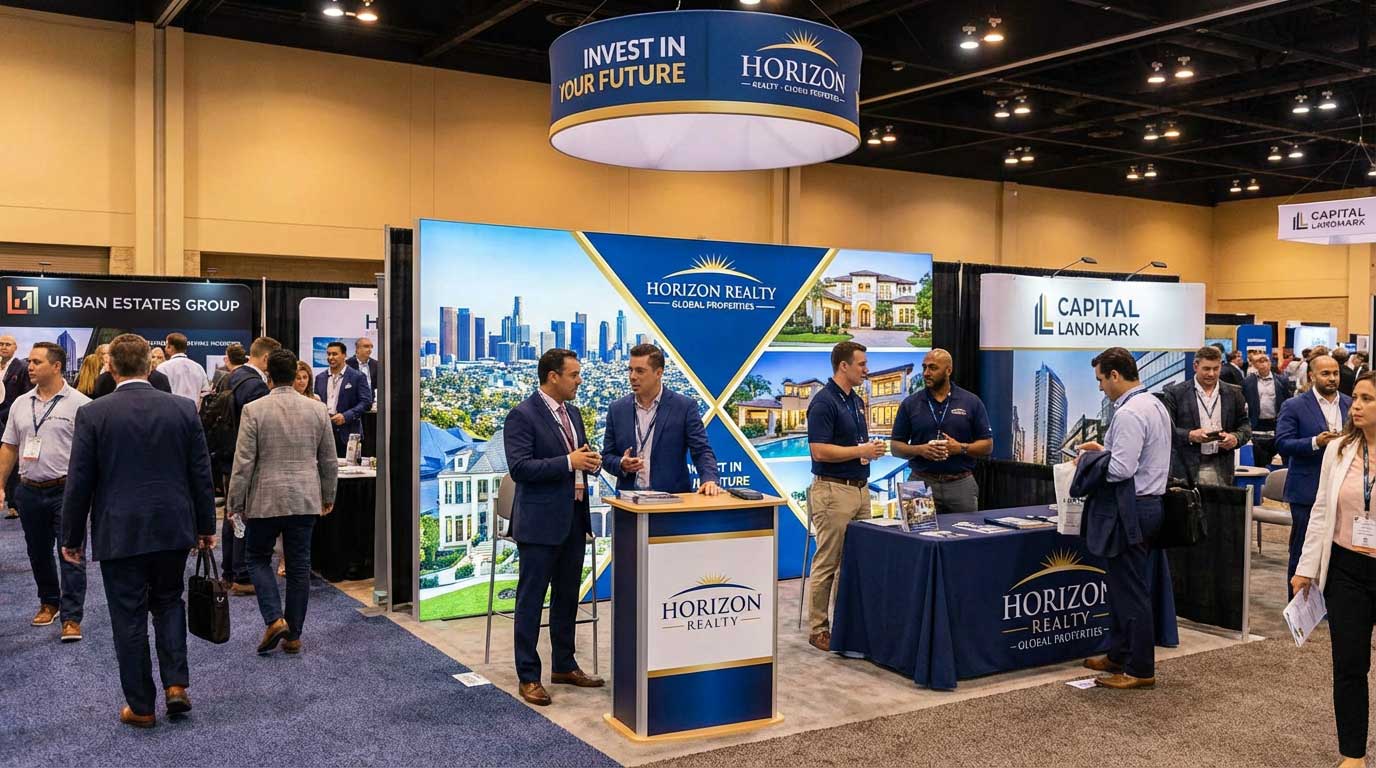
Trade show marketing is the strategic process of promoting your brand, products, and services before, during, and after a live exhibition event. It encompasses everything from eye-catching booth design and promotional giveaways to lead capture systems and post-show follow-up campaigns. When executed correctly, trade show marketing transforms a simple booth into a revenue-generating engine that fuels your sales pipeline for months.
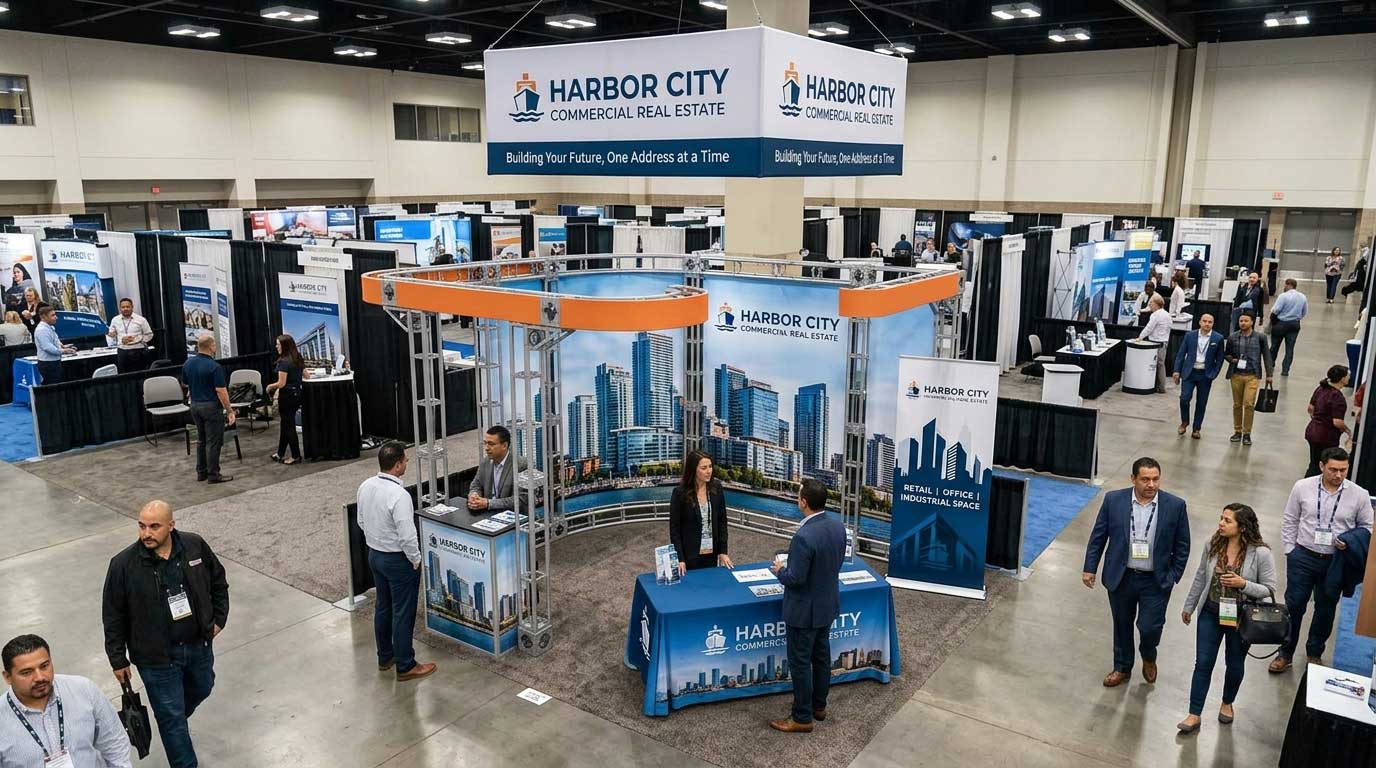
Yet too many exhibitors treat trade shows as passive experiences — they set up a display, stand behind a table, and hope for the best. The reality is that exhibit marketing requires deliberate planning across multiple touchpoints: pre-show outreach, on-floor engagement, and disciplined follow-up. In this pillar guide, we’ll walk you through every phase of the trade show marketing lifecycle so you can turn your next event into a measurable business win.
Whether you’re a first-time exhibitor still exploring our complete trade show displays buyer’s guide or a seasoned pro looking to sharpen your strategy, this resource covers the promotional products, engagement tactics, lead capture methods, and networking tips you need to stand out on the show floor.
—
The most successful exhibitors know that trade show marketing begins weeks — sometimes months — before the event. Pre-show marketing ideas set the stage for higher booth traffic, warmer conversations, and stronger ROI.
Before you draft a single email or social post, establish what success looks like. Are you launching a new product? Generating a target number of qualified leads? Scheduling on-site demos? Setting concrete, measurable goals shapes every downstream decision.
| Goal Category | Example KPI | Measurement Method |
|---|---|---|
| Lead Generation | 200 qualified leads captured | Badge scans + qualifying questions |
| Brand Awareness | 5,000 social impressions during event week | Social analytics dashboard |
| Product Launch | 50 live demo appointments booked | Calendar scheduling tool |
| Partnership Development | 15 strategic meetings completed | CRM activity tracking |
| Sales Pipeline | $500K in quoted opportunities within 30 days | CRM pipeline report |
Segment your existing database by industry, title, and buying stage. Send a sequence of three to five emails in the weeks leading up to the show: a save-the-date announcement, a teaser highlighting what you’ll showcase, a calendar-link email for booking private meetings, and a last-chance reminder. Personalizing subject lines with the recipient’s name or company lifts open rates significantly.
Leverage the event hashtag early. Share behind-the-scenes content of your booth build, introduce team members who will be on-site, and post sneak peeks of any new products. Short-form video content on LinkedIn, Instagram Reels, and TikTok tends to outperform static posts for pre-show engagement.
In an inbox-saturated world, a physical mailer can break through the noise. Send a branded “golden ticket” or puzzle piece that recipients must bring to your booth to complete — this creates a built-in reason to visit. Pair this with small trade show promotional products like branded phone wallets or microfiber cloths tucked inside the mailer.
Your pre-show marketing should visually match the booth experience attendees will encounter. If you’re planning a large format presence, pairing a fabric pop up display backwall with strategically placed retractable banner stands creates visual continuity between what prospects saw online and what they see in person. Consistency builds trust.
—
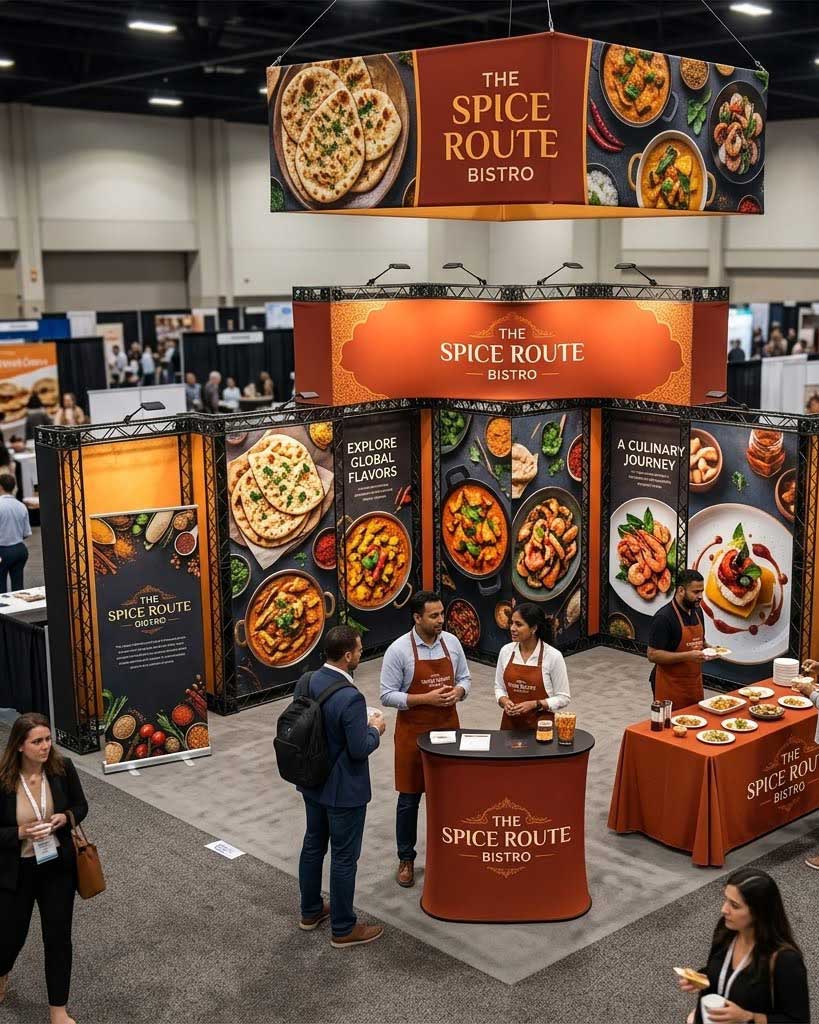
Your booth is your storefront on the show floor. In a sea of competing exhibitors, the brands that win attention are the ones that combine strategic design with compelling messaging.
Every booth needs a clear visual hierarchy that communicates three things within five seconds: who you are, what you do, and why attendees should stop. Place your logo and tagline at the highest point of your display — an overhead hanging banner is one of the most effective tools for this because it’s visible from across the hall, drawing attendees toward your space before they can even see your booth walls.
Below the overhead signage, your backwall should communicate your primary value proposition. Below that, product displays and interactive stations invite closer engagement. This top-down approach mirrors how attendees naturally scan a show floor.
The displays you select should align with your booth size, budget, and the impression you want to make. Here’s a quick comparison of popular options for trade show marketing setups:
| Display Type | Best For | Setup Time | Portability | Visual Impact |
|---|---|---|---|---|
| Fabric Pop Up Displays | 10×10 inline booths, backwall branding | 10–15 min | High | Strong |
| SEG Backlit Displays | Premium brand presence, dark halls | 15–30 min | Moderate | Very High |
| Modular Displays | Multi-show flexibility, island booths | 30–60 min | Moderate | High |
| Tower Displays | Vertical branding in open floor plans | 15–20 min | High | High |
| Truss Systems | Large-scale island booths, hanging structures | 60+ min | Low | Very High |
| Retractable Banner Stands | Supplemental messaging, wayfinding | 2 min | Very High | Moderate |
For exhibitors who want to make a bold impression while keeping logistics manageable, a backlit trade show display adds a premium glow that naturally attracts foot traffic, especially in dimly lit convention centers. Alternatively, brands attending outdoor or hybrid events often find that a branded canopy tent paired with custom table covers creates a cohesive, professional look without the complexity of a full exhibit build.
Think of your booth as a retail store. Open, inviting layouts without physical barriers (like tables pushed to the front) encourage attendees to step inside. Position interactive elements — touchscreens, product demos, games — toward the center or back of the booth to pull visitors deeper into the space. Staff should stand at the edges, not behind tables, ready to welcome passersby with open body language.
For larger booths, a display tower placed at each corner acts as a visual anchor that defines your space, while a modular display system allows you to reconfigure walls, shelving, and graphics to accommodate different products or meeting areas.
—
Let’s be honest — most trade show giveaways end up in the hotel trash can. The key to effective trade show promotional products is choosing items that are useful, memorable, and strategically tied to your brand message.
The best giveaway ideas share three traits: they’re practical enough to keep, unique enough to remember, and branded subtly enough that recipients actually use them. Think beyond the generic stress ball.
| Giveaway Tier | Examples | Estimated Cost Per Unit | Best Use Case |
|---|---|---|---|
| Budget-Friendly | Branded pens, stickers, lanyards, lip balm | $0.50–$2.00 | High-volume handouts for all booth visitors |
| Mid-Range | Portable phone chargers, insulated tumblers, notebooks | $5.00–$15.00 | Qualified lead incentives, demo rewards |
| Premium | Bluetooth speakers, branded apparel, tech accessories | $20.00–$50.00 | VIP prospects, scheduled meeting thank-yous |
| Experiential | Prize wheel spins, photo booth prints, custom caricatures | Varies | Traffic-driving, social media amplification |
Technology companies often see success with branded USB-C hubs, wireless charging pads, or webcam covers — items their audience will actually place on a desk every day. Healthcare and wellness brands can stand out with branded hand sanitizer sets, first-aid kits, or yoga mats that align with their mission. Manufacturing and industrial firms find that high-quality branded tools — tape measures, flashlights, multitools — earn permanent spots in tool bags.
Rather than simply handing items out, tie your giveaways to a qualifying action. Attendees who complete a short survey, watch a product demo, or scan a QR code earn the right to spin a prize wheel or enter a raffle. This approach serves double duty: it creates engagement and ensures you’re collecting meaningful data rather than just distributing swag to passersby.
—
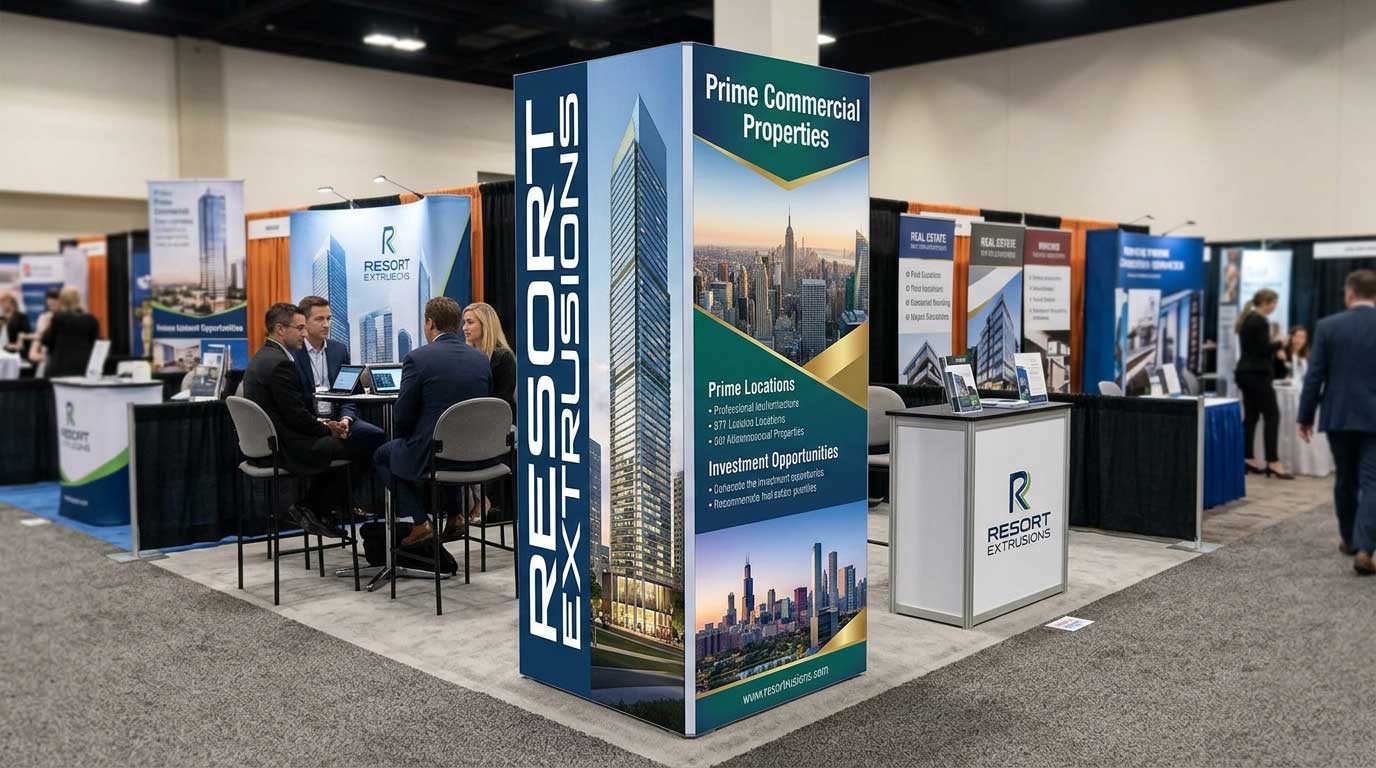
Trade show attendee engagement is the bridge between foot traffic and qualified leads. Passive booths get passed; interactive booths get remembered.
Trade show booth games create energy, attract crowds, and give your team a natural conversation starter. Here are proven formats:
Nothing sells like showing your product in action. Schedule live demos every 30 to 60 minutes and announce them with signage or a countdown timer displayed on a screen. Position your demo area near the aisle to attract attention from passing traffic. A well-placed pull-up banner stand with a demo schedule printed on it can act as a silent salesperson, pulling curious attendees into your space.
By mid-afternoon, attendees are tired, their phones are dying, and they’re looking for a place to rest. Offering a branded charging station or comfortable seating area turns your booth into a destination. While visitors recharge, your team has time for relaxed, meaningful conversations — the kind that build real relationships.
—
A busy booth means nothing if you walk away without actionable lead data. Your trade show lead capture strategy should be frictionless for attendees and information-rich for your sales team.
| Method | Speed | Data Quality | Cost | Notes |
|---|---|---|---|---|
| Badge Scanning (Official App) | Fast | Basic (name, company, title) | Included or add-on fee | Requires event-provided scanner |
| QR Code to Digital Form | Fast | Customizable | Low | Attendee fills in qualifying data |
| Tablet-Based Forms | Moderate | High (custom fields) | Low–Moderate | Staff or self-service |
| Business Card Collection | Slow | Variable | Free | Requires manual data entry post-show |
| RFID/NFC Tap | Very Fast | Basic | Moderate | Growing adoption at major shows |
Capturing a name isn’t enough — you need context. Train your booth staff to ask two to three qualifying questions during every interaction: What challenge brought you to the show? What solutions are you currently evaluating? What’s your timeline for making a decision? Log these answers directly in your capture tool so your sales team has the context they need for personalized follow-up.
Not every lead deserves the same follow-up cadence. Assign scores based on criteria like title seniority, company size, expressed buying timeline, and level of engagement at the booth. Hot leads (high score) get a same-day email and a call within 48 hours. Warm leads enter a nurture sequence. Cool leads go into your long-term marketing database.
—
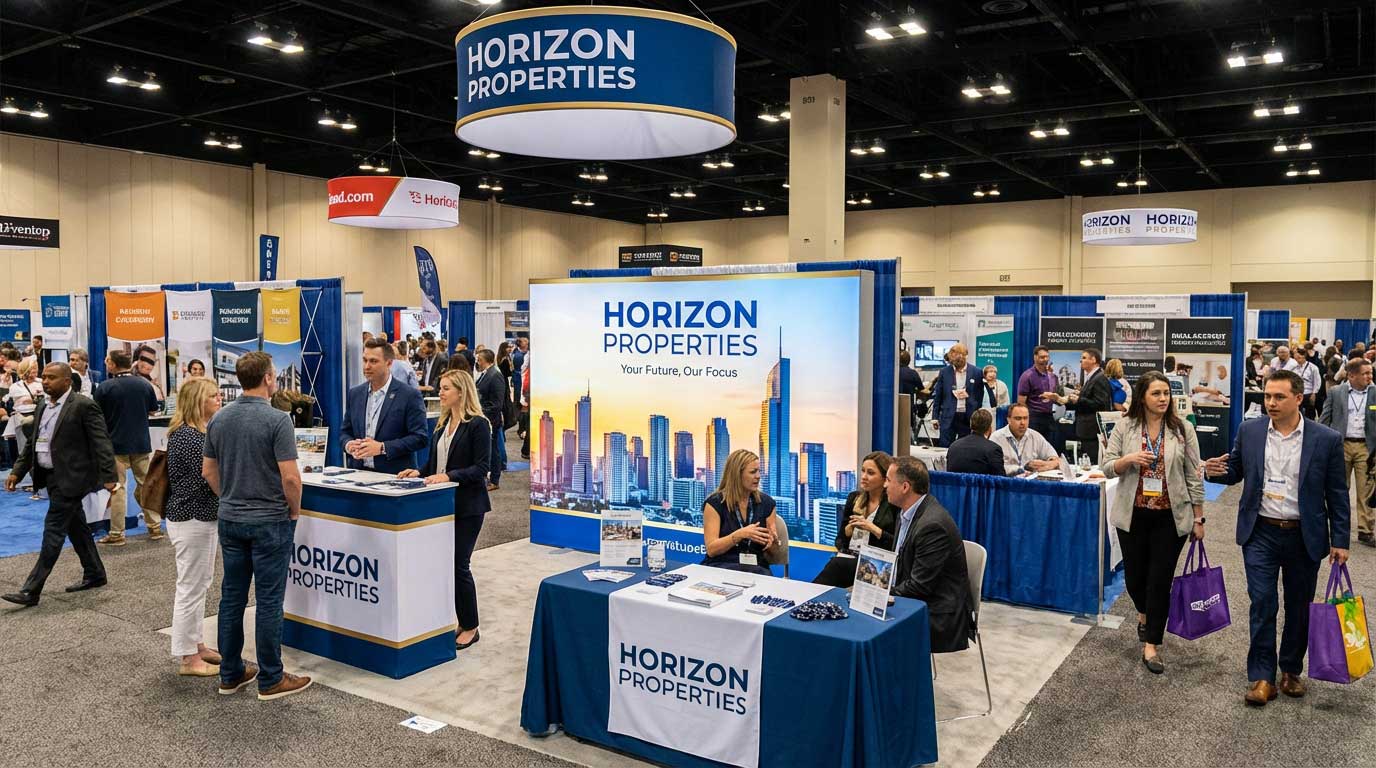
Trade shows aren’t just about the people who visit your booth — they’re about the relationships you build across the entire event ecosystem.
Attend keynote sessions, panel discussions, and official networking events. These settings allow you to connect with industry leaders, potential partners, and prospects in a more relaxed environment. Bring business cards, but also have a digital contact-sharing method ready — LinkedIn QR codes or contact-exchange apps speed up the process.
Your booth neighbors can become referral partners. Introduce yourself during setup, learn what they offer, and look for natural opportunities to send attendees to each other’s booths. A neighboring exhibitor with a complementary product can become a long-term strategic ally. If a neighbor’s booth features an impressive truss display booth, compliment their setup — it’s an easy icebreaker that opens the door to a business conversation.
Your booth staff are the face of your brand. Train them on open-ended conversation starters (“What brings you to the show today?”) rather than closed questions (“Can I help you?”). Establish shift rotations to keep energy levels high, and brief the team each morning on priority prospects and daily goals.
—
Here’s a sobering statistic often cited in the events industry: the majority of trade show leads never receive a single follow-up contact. Your trade show follow up strategy is where you separate yourself from the competition.
Speed matters. Send your first follow-up email within 48 hours of the show’s close — ideally within 24. This message should reference the specific conversation you had, restate the value proposition discussed, and include a clear call to action (schedule a call, download a resource, request a quote).
One-size-fits-all follow-up doesn’t work. Build different email sequences for each lead tier:
| Lead Tier | First Touch | Sequence Length | Content Focus |
|---|---|---|---|
| Hot (Ready to Buy) | Phone call within 24 hours | 3–5 touches over 2 weeks | Proposal, demo, pricing |
| Warm (Interested) | Personalized email within 48 hours | 5–7 touches over 4 weeks | Case studies, ROI calculators, webinar invites |
| Cool (Early Stage) | Template email within 72 hours | 8–12 touches over 8 weeks | Educational content, industry insights, product overviews |
Email alone isn’t enough. Layer in LinkedIn connection requests with personalized notes, phone calls from the sales rep who met the prospect in person, and even a handwritten thank-you note for your top-tier leads. The combination of channels increases the likelihood of a response and demonstrates genuine interest.
Within two weeks of the show, compile a post-event report that tracks leads captured, leads qualified, meetings booked, pipeline generated, and cost per lead. Compare these metrics against your pre-show goals and use the insights to refine your approach for the next event. This data-driven approach is what transforms event marketing services from a cost center into a profit center.
—
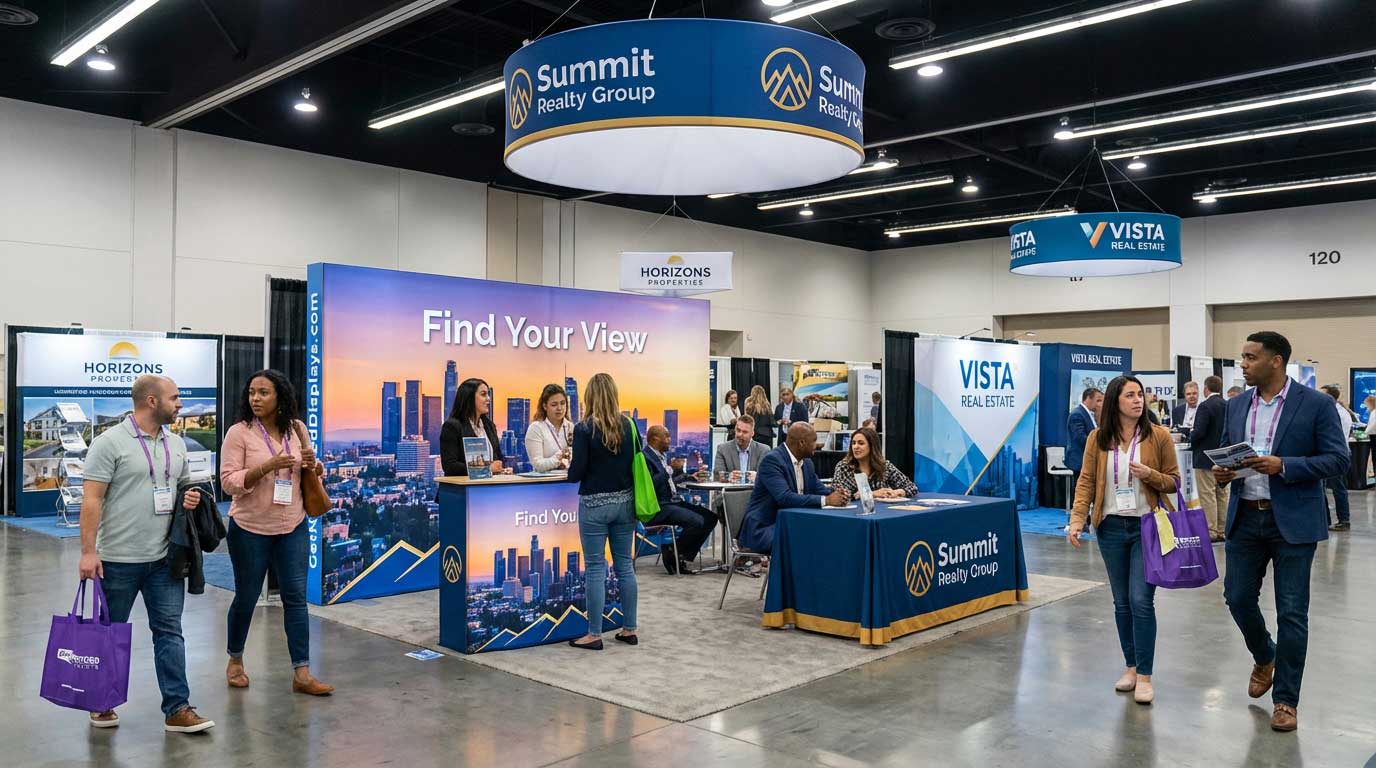
With so many tactics available, how do you decide where to invest? The answer depends on your budget, booth size, audience, and goals.
A common framework allocates your total trade show budget roughly as follows:
| Category | % of Budget | Includes |
|---|---|---|
| Booth Space & Display Hardware | 30–40% | Rental fees, display purchases, graphics |
| Pre-Show Marketing | 10–15% | Email campaigns, direct mail, social ads |
| Promotional Products & Giveaways | 10–15% | Branded items, prize wheel prizes, raffle prizes |
| Staffing & Travel | 20–25% | Flights, hotels, per diem, temp staff |
| Lead Capture & Technology | 5–10% | Scanning tools, tablets, apps |
| Post-Show Follow-Up | 5–10% | CRM tools, content creation, sales team hours |
A 10×10 inline booth demands a different approach than a 20×20 island. Smaller booths benefit from high-impact, space-efficient displays — a tension fabric display as a backwall combined with a custom table throw and a single game element like a prize wheel creates a complete, engaging presence without overcrowding. Larger island booths can incorporate trade show hanging banners for overhead visibility, multiple trade show tower displays to define the perimeter, and dedicated meeting or lounge areas.
If this is your first trade show, focus on the fundamentals: a professional-looking display, one or two well-chosen giveaways, a reliable lead capture method, and a committed follow-up plan. You don’t need every tactic on day one. As you gain experience and data, layer in more sophisticated elements like gamification, VR experiences, and multi-channel pre-show campaigns. Our trade show displays guide is a great starting point for selecting the right hardware for your first event.
—
For major industry events, begin planning six to twelve months out. This gives you time to secure booth space, design and order displays, plan pre-show campaigns, and train your staff. Even for smaller regional shows, a minimum of eight to twelve weeks of lead time ensures you’re fully prepared.
Branded items under $2 — quality pens, phone pop-sockets, reusable tote bags, and sticker sheets — can still make an impact when paired with engaging delivery. Tie the giveaway to a qualifying interaction rather than handing items to anyone who walks by, and you’ll stretch both your budget and your lead quality.
Calculate the total cost of exhibiting (booth space, displays, travel, marketing, giveaways) and divide it by the number of qualified leads captured to get your cost per lead. Then track those leads through your sales pipeline over 90 to 180 days to calculate revenue generated versus total investment. Many organizations also track softer metrics like brand impressions, social media engagement, and media coverage.
Absolutely. Investing in durable, portable hardware is one of the smartest moves you can make. A well-built banner stand display can last for dozens of shows, and modular trade show displays are specifically designed to reconfigure for different booth sizes and layouts. Updating only the printed graphics between events keeps your messaging fresh while protecting your hardware investment.
Neglecting the follow-up. Companies invest thousands of dollars in booth space, displays, travel, and giveaways, then let the leads collected go cold. A disciplined post-show follow-up strategy — executed within 48 hours — is the single highest-leverage activity in your entire trade show marketing plan.
Combine pre-show outreach (email, social, direct mail) with on-floor engagement tactics (games, demos, compelling visuals). High-visibility displays like SEG backlit displays and ceiling hanging banners draw eyes from across the show floor, while interactive elements keep people at your booth long enough for meaningful conversations.
—
Trade show marketing is a multifaceted discipline that rewards planning, creativity, and follow-through. From the first pre-show email to the final follow-up call, every touchpoint is an opportunity to differentiate your brand, build relationships, and drive revenue.
Start by setting clear goals. Design a booth that commands attention — leveraging the right mix of displays, from an exhibit truss system for maximum structural impact to a simple custom canopy tent for outdoor events. Choose giveaways that reflect your brand’s value. Engage attendees with interactive experiences. Capture leads with purpose. And above all, follow up like your revenue depends on it — because it does.
Ready to build a booth that anchors your entire trade show marketing strategy? Explore our trade show booth displays to find the perfect display hardware for your next event, or contact the Showfire Displays team for personalized recommendations. Let’s make your next show unforgettable.