Need Assitance?
Call us at 844-203-6588.
We Accept
Choosing a light box display is a different kind of buying decision than picking a standard banner or pop-up. You are not just selecting a size -- you are deciding how much visual presence your booth will carry, which frame system fits your setup and teardown routine, and whether your budget stretches toward a modular multi-panel wall or a focused single-panel accent. This hub brings together every seg lightbox format Showfire Displays carries, organized so you can compare the options side by side, understand what makes each one suited to a particular use case, and move confidently toward the right purchase for your next event. Whether you are outfitting a compact 10ft inline space or building out a 20ft island booth with displays visible from multiple aisles, the right format is in this collection.
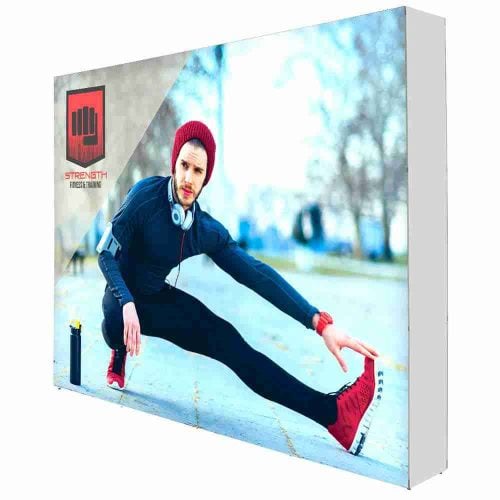
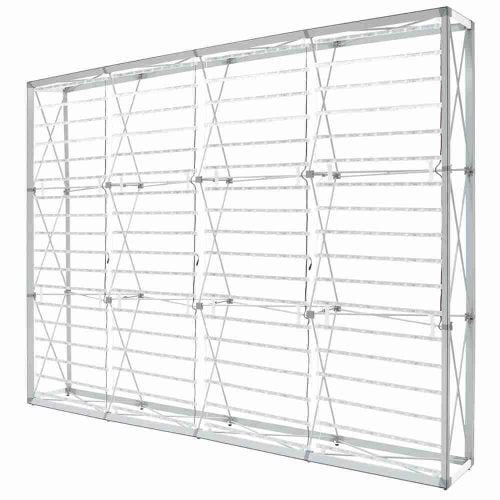
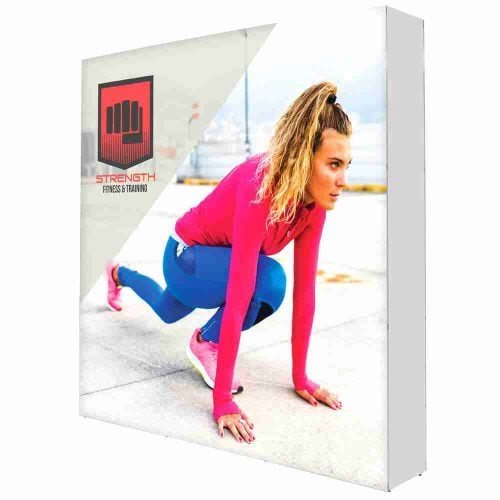
A seg lightbox works by routing the edge of a printed fabric graphic into a thin silicone channel around the perimeter of an aluminum frame -- a system known as silicone edge graphics, or SEG. An LED array behind the frame illuminates the fabric evenly from edge to edge, producing a clean, glow-like brightness that flat-printed graphics simply cannot replicate. The result is a backlit display that holds attention across a busy show floor without requiring elaborate lighting rigs, supplemental spotlights, or rental power drops beyond a standard electrical outlet.
The format is also practical in ways that sometimes get overlooked. Because the graphic ships flat and installs by silicone edge compression, changing creative between events takes minutes rather than hours -- no retensioning, no hardware swaps, no reprinting the entire display kit. Exhibitors running multiple shows per year get genuine value from that interchangeability: the frame travels, the cases protect the hardware, and a fresh graphic arrives for the next city.
It is also worth noting what the SEG system does for print quality. Backlit fabric is a specialized substrate formulated to transmit light evenly rather than blocking it, and dye-sublimation ink on that material produces colors that are vibrant when illuminated from behind. The same image printed on standard blockout vinyl looks noticeably flatter by comparison, which is why the visual gap between backlit displays and non-backlit alternatives widens the moment the LED array switches on.
If you want a full breakdown of how these displays are engineered and how they compare to non-backlit alternatives, the SEG backlit display guide covers frame profiles, LED specifications, fabric print standards, and double-sided versus single-sided tradeoffs in depth.
Every product line below uses the same core SEG principle, but the frame architecture, footprint, and intended use case differ meaningfully. Here is a structured comparison before the prose walk-through of each format.
| Format | Best For | Portability | Double-Sided Option | Typical Footprint |
|---|---|---|---|---|
| Pop Up Backlit | Fast booth setups, inline booths | High | Yes | 8ft -- 10ft wide |
| Lumiere Backlit | Large backdrop walls, island booths | Medium | Yes | 10ft -- 20ft wide |
| SEGO Modular | Reconfigurable multi-show layouts | Medium | Yes | Modular / custom |
| Igniter Freestanding | Aisle-facing accent displays | Medium | Yes | 36" -- 20ft wide |
| Portable Light Box | Budget-conscious or first-time buyers | Very High | Yes | Slim panel formats |
If setup time is a priority and your booth footprint is a standard 10ft inline, the backlit pop up display is the format most exhibitors reach for first. The collapsible scissor frame deploys in under ten minutes, the LED panels integrate into the frame structure itself, and the fabric graphic attaches at the perimeter with the SEG channel system. No tools, no separate lighting equipment, and no complicated assembly sequence -- just a predictable, repeatable setup that looks the same every time you open the case.
This format is well suited to exhibitors who staff their own setup without show labor, or teams that move between multiple events in short windows and cannot afford to spend the first two hours of move-in on display assembly. The backlit fabric lightbox result -- a fully illuminated 8ft or 10ft wall -- delivers the same visual output as a hardwall display at a fraction of the weight and setup complexity. For brands participating in regional circuits or traveling to six or more events per year, the pop up format often becomes the default precisely because it is so predictable under pressure.
The lumiere backlit display is the format designed for exhibitors who need to fill a large back wall with a single seamless illuminated graphic. Frame widths run from 10ft to 20ft, and the double-sided configuration allows traffic approaching from behind the display -- in island or peninsula layouts -- to read the graphic from both directions simultaneously. That dual-visibility capability matters at events where booth traffic flows around all four sides rather than funneling in from one aisle.
The Lumiere frame uses a thin, professional-grade aluminum extrusion that presents almost no visible border around the fabric graphic. Visitors see the image and the light, not the hardware. For brands that invest in high-resolution fabric printing and want the display to carry that investment visibly, this format is the right choice. The slim profile also means the display does not consume depth in the booth the way a truss or hardwall system would -- useful when every inch of square footage counts.
Because the Lumiere is a fixed-format display rather than a modular system, it excels when your booth footprint and creative direction are stable across multiple show seasons. The frame travels in a hard case and the graphics roll flat for easy replacement at the start of a new campaign cycle. An exhibitor who locks in the same 20ft booth space for three consecutive years and refreshes graphics annually will get an excellent return from this format's build quality and durability.
The modular lightbox display in the SEGO system is built for exhibitors whose booth size changes from show to show, or who need to assemble complex multi-panel configurations from a shared inventory of frames. Individual SEGO panels connect to form walls, towers, overhead structures, and mixed configurations that a fixed-frame system cannot accommodate -- a degree of flexibility that becomes especially valuable when your event calendar includes both a regional 10ft show and a flagship 20ft national event in the same quarter.
This is also the right format for rental fleets and event companies managing a light box bulk order across multiple clients or events. Because panels are interchangeable, a single inventory of SEGO components can serve a 10ft inline booth at one event and a 20ft island at the next without purchasing an entirely new kit. For agencies handling display logistics for several brands, that reusability meaningfully reduces the capital cost per event.
The premium seg light box build quality of the SEGO frame -- precise tolerances, consistent LED brightness panel-to-panel -- means the seams between panels disappear into the graphic. Attendees see a unified illuminated wall, not a grid of separate boxes. That seamlessness is what separates a well-engineered modular system from budget-tier alternatives that show visible gaps and uneven illumination at the join lines.
Not every illuminated display needs to anchor to a back wall. The freestanding backlit display in the Igniter line stands independently in a booth, a retail floor, a lobby, or an aisle position without requiring any structural support from the wall or ceiling. The base hardware distributes weight for stability, and configurations span from narrow accent panels to full 20ft wide display packages that can anchor a significant exhibit footprint on their own.
The Igniter is particularly effective as a secondary display element -- a backlit light box positioned at the entrance to a booth to intercept traffic before they reach the main back wall, or a branded panel placed in a sponsored activation zone outside the main exhibit hall. Its led fabric lightbox construction means it delivers the same bright, even illumination as the wall-mounted formats while operating completely independently from any building structure.
Single-sided and double-sided configurations are both available, and the angled panel variants allow the graphic surface to face traffic from a specific direction rather than presenting straight on. An angled freestanding display at the corner of a booth, for example, can catch the eye of visitors moving down two different aisles at once -- a positioning advantage that a flat back-wall display cannot replicate. Brands using the Igniter in retail settings also appreciate that it can be repositioned easily as floor layouts change, without requiring any renovation or permanent installation.
The slim light box display options in the portable line are designed for buyers who need backlit displays without the frame cost of the higher-tier systems. Slim panel formats, value pricing, and the same SEG graphic system make this category a practical starting point for smaller brands, first-time exhibitors, and marketers testing illuminated displays before committing to a larger investment.
The slim panel construction means the profile is narrow enough to fit in checked luggage or a compact carry bag, and the custom led light box graphic options still allow full-color dye-sublimation prints at exhibition quality. A mid range light box from this line can serve as an accent panel alongside a larger display, or carry the full visual weight of a smaller booth footprint on its own without looking underpowered.
The triple panel portable light box display variant connects three panels side-by-side to create a wider illuminated backdrop without the price of a fixed-frame system. For exhibitors attending smaller regional shows where a full 10ft backlit wall would be logistically excessive, that three-panel format delivers strong visual coverage at a manageable cost and pack size. The 40 x 79 double sided portable light box option adds dual-face illumination for spaces where the display will be viewed from both directions.
The buying decision across this collection comes down to four practical variables: booth size, setup conditions, graphic change frequency, and budget. Understanding where your situation falls across those four dimensions narrows the field quickly.
Booth size and layout: A 10ft inline booth is well served by the pop up backlit format or a single Lumiere panel. A 20ft inline needs a full Lumiere or a two-wide SEGO configuration. An island or peninsula booth almost always benefits from a double-sided format -- both the Lumiere and SEGO offer this -- or a pair of Igniter freestanding displays positioned to face different aisles. Booths with irregular footprints or L-shaped configurations are where the SEGO modular system tends to outperform fixed-frame alternatives, because panels can be arranged to follow the geometry of the space rather than forcing the space to accommodate a fixed-dimension frame.
Setup conditions: If you are setting up without show labor, formats with lower component counts and tool-free assembly save significant time and reduce the risk of on-site issues. The pop up backlit and portable formats are the fastest -- both are genuinely one- or two-person jobs. The Lumiere and SEGO systems are slightly more involved but include clear assembly instructions and all required hardware; a two-person crew can complete either format in under an hour at most standard sizes.
Graphic change frequency: All formats in this collection use the SEG system, so graphic replacement is always possible without replacing the frame. If you change creative every show, factor graphic reorder cost into your total cost of ownership -- not just the frame price. The backlit trade show booth resource on our site includes detail on graphic ordering, turnaround times, and file preparation requirements that are worth reviewing before you finalize your format choice.
Budget: The portable line offers the lowest entry cost and is a smart first step for buyers new to illuminated displays. The SEGO and Lumiere systems represent a larger upfront investment but are engineered for multi-year, multi-show use -- the per-show cost drops significantly when a frame runs for four or five years. If budget is a real constraint right now, the value light box display category gives you a backlit display that performs well without requiring a premium-tier frame budget, with the option to scale up later.
| Booth Footprint | Recommended Format | Notes |
|---|---|---|
| Under 10ft inline | Portable or Pop Up Backlit | Fast setup, compact pack |
| 10ft inline | Pop Up Backlit or Lumiere 10ft | Depends on setup crew size |
| 20ft inline | Lumiere 20ft or SEGO multi-panel | Fixed vs. modular preference |
| Island / peninsula | SEGO or Igniter double-sided | Visibility from multiple aisles |
| Aisle / freestanding accent | Igniter | No wall anchor needed |
| Mixed or growing fleet | SEGO modular | Panels recombine per show |
| Regional / travel-heavy circuit | Portable | Lightest pack, fastest setup |
Exhibitors who switch to an illuminated trade show display format after years of non-backlit displays almost always note the same thing: the brightness is not just decorative. On a show floor where the ambient lighting is diffuse and competing displays are all at the same height, the glow of a well-executed seg lightbox creates a depth cue that flat printed graphics cannot produce. Visitors perceive the graphic as closer, cleaner, and more substantial than it would appear without the backlight -- and that perceptual shift happens from distances where text is not yet readable, which means the display starts working before anyone gets close enough to engage with the message.
The fabric used in a backlit fabric lightbox is specifically formulated for light transmission -- a different material than the vinyl or blockout fabric used in standard display graphics. Dye-sublimation printing on this fabric produces color that looks slightly different when viewed directly versus when illuminated from behind, which is why artwork intended for a seg lightbox should be designed with the backlit rendering in mind. Overly dark backgrounds absorb the light rather than transmitting it; designs with a mix of mid-tones and lighter areas tend to glow most effectively and carry visual weight across larger distances on the show floor.
That design consideration is worth raising with your creative team before artwork goes to print. A graphic that looks strong on screen or on a printed proof under standard office lighting may look muddy or flat when backlit, while a design that seems slightly washed out in proof may glow beautifully when the LED array is switched on. Requesting a backlit proof from your print provider -- or working with a display supplier that offers file review before production -- removes a lot of the guesswork.
For buyers weighing whether to move from standard to backlit for the first time, the how to choose a backlit trade show display section of our pillar guide walks through exactly this comparison with practical guidance on artwork preparation, material selection, and what to expect from the illuminated result.
Most exhibitors who invest in a seg lightbox as their primary display also benefit from thinking about what surrounds it. A 20ft backlit wall is a strong anchor, but a booth that pairs that wall with a freestanding accent display in the aisle creates two separate moments of visual contact -- one that stops traffic, and one that draws it in. That combination is where the Igniter freestanding format and the Lumiere or SEGO back wall tend to work together effectively.
Smaller booths can use the same layering logic at a reduced scale. A 10ft pop up backlit wall paired with a portable light box panel as a counter or pedestal-height accent gives a compact booth more visual dimension than a single display on its own. The portable formats are light enough that adding one to a booth kit does not significantly increase pack weight or logistics complexity.
If your display needs extend beyond backlit formats -- for example, if you are also looking at retractable banners, fabric pop-ups, or flooring for the same event -- the complete trade show displays buyer's guide covers the full range of exhibit options in one place, with guidance on how different display types complement each other in a finished booth layout.
All five formats in this collection are available with full custom graphics, printed using dye-sublimation on exhibition-grade backlit fabric. Hardware ships from our warehouses with all necessary components included -- frames, LED panels, power cables, silicone edging, and carrying cases or bags depending on the format. There are no surprise add-ons at checkout for the items you actually need to operate the display.
Our team can help size a display, review artwork files before print, and advise on configurations for specific booth layouts. Exhibitors placing a larger order across multiple formats -- a main backlit wall plus an Igniter accent plus portable units for a roadshow, for example -- should contact us to discuss volume pricing and coordinated production timelines that get every piece to the same event on the same schedule.
Graphic reorders are straightforward across all formats. Because the SEG system is consistent across the product lines, a graphic ordered for a Lumiere frame uses the same silicone edge finishing system as a SEGO or Igniter graphic. That consistency matters when you are managing a display fleet with multiple formats -- you are not dealing with proprietary graphic systems that lock you into a single supplier per frame type.
Every format described above has its own dedicated product page with specific size options, configuration choices, graphic specifications, and pricing. The illuminated pop up display line is a strong starting point for most first-time backlit buyers who need a fast, reliable format that works in standard inline booths. Exhibitors scaling up to a wall system will find the backlit backdrop options in the Lumiere line cover the full range of large-format configurations, while the sego modular light box pages walk through every panel configuration and multi-panel combination available.
The igniter backlit display product pages are the right starting point for freestanding accent needs, with configuration options broken out by width, panel count, and single- versus double-sided orientation. And for buyers working with tighter budgets or travel-heavy schedules, the portable backlit display pages include the slim panel formats and triple-panel configurations that deliver backlit performance at an accessible price point.
Start with the format that fits your booth, your crew, and your show schedule -- then customize the graphic and size from there. Each product page includes configuration tools, dimension details, and the ability to submit artwork or request a proof before your order goes to production. If you are still narrowing down which format makes the most sense, the single vs double sided backlit display guidance in our pillar resource is worth a read before you commit.