Need Assitance?
Call us at 844-203-6588.
We Accept


$1,800.00

Production Time: 2 Business Days After Proof Approval
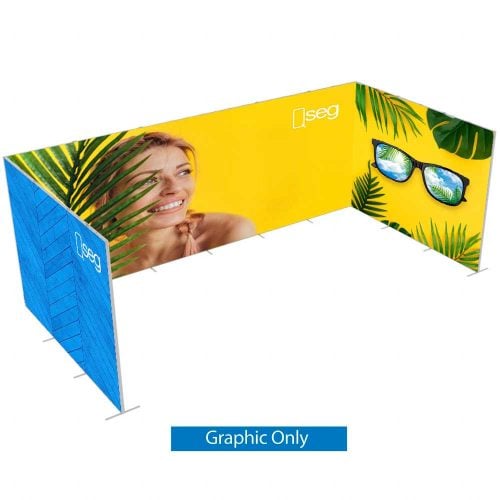
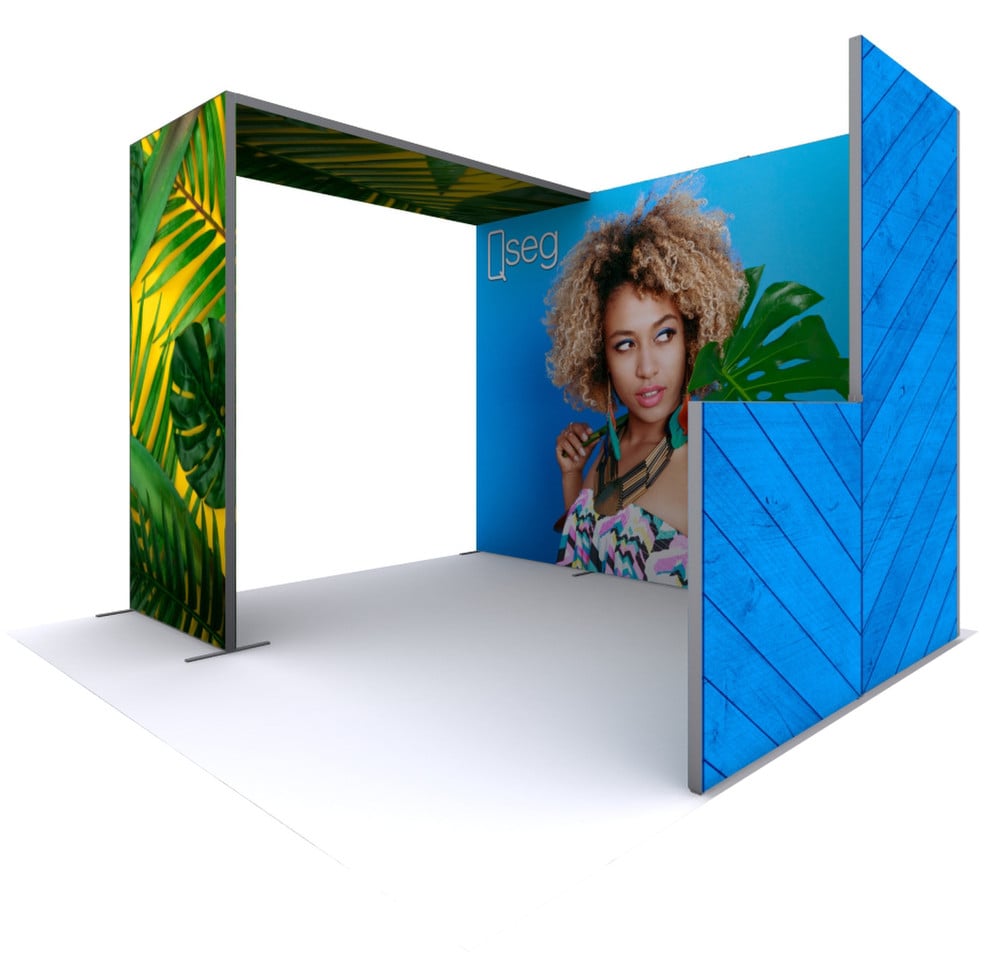
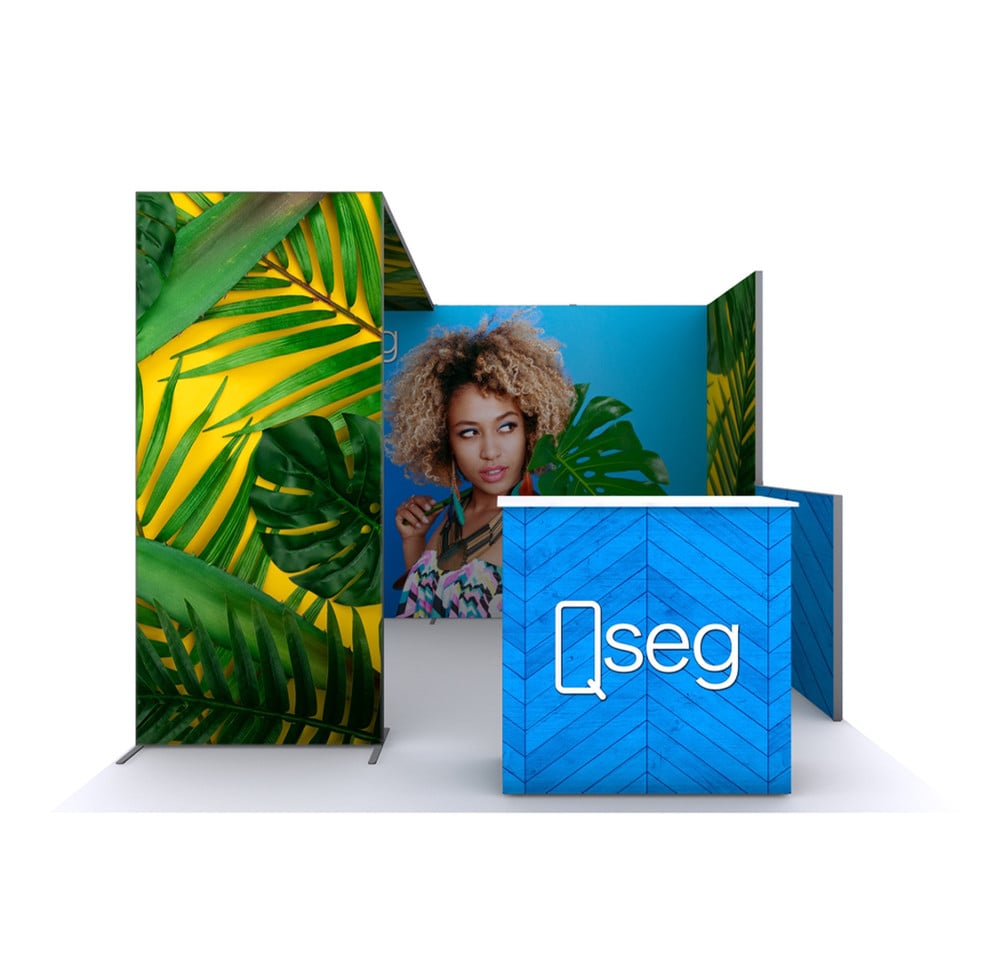
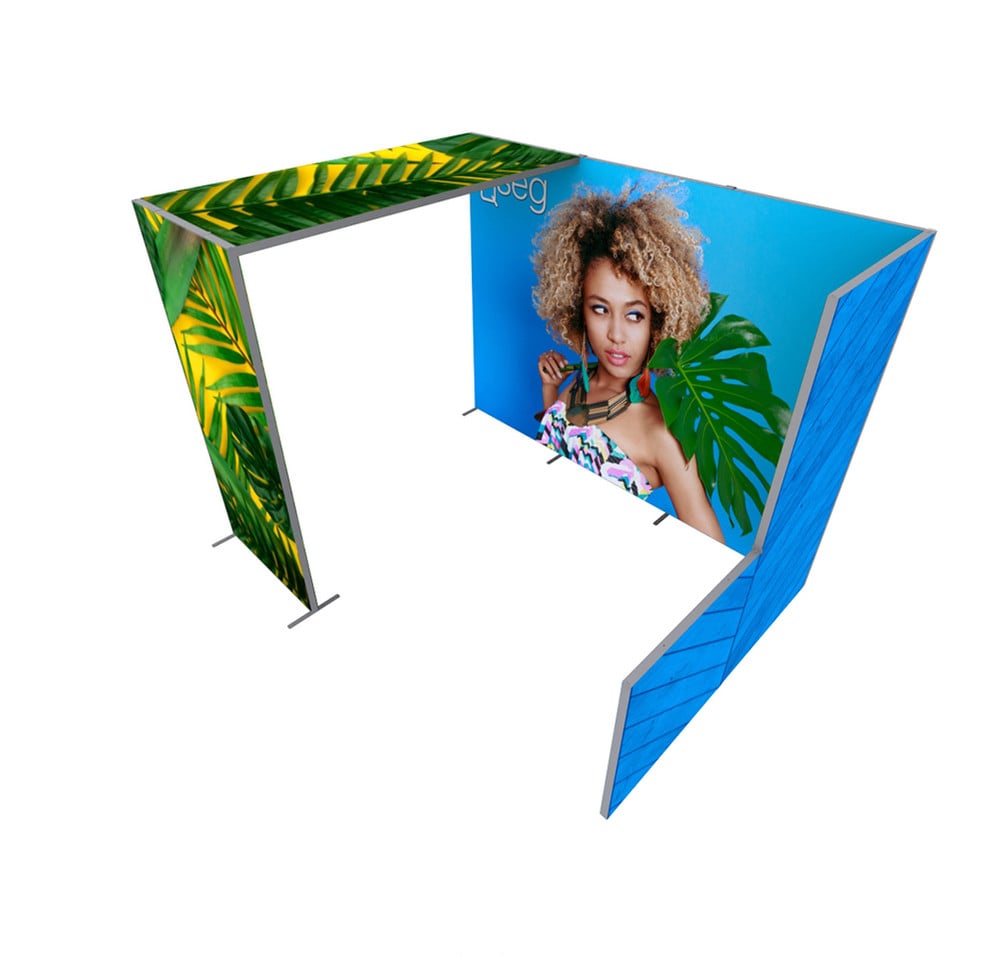
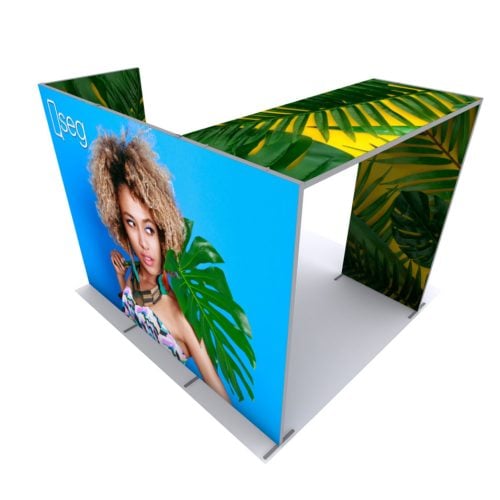
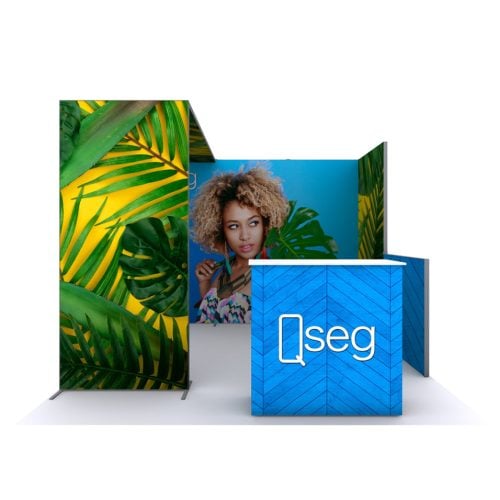
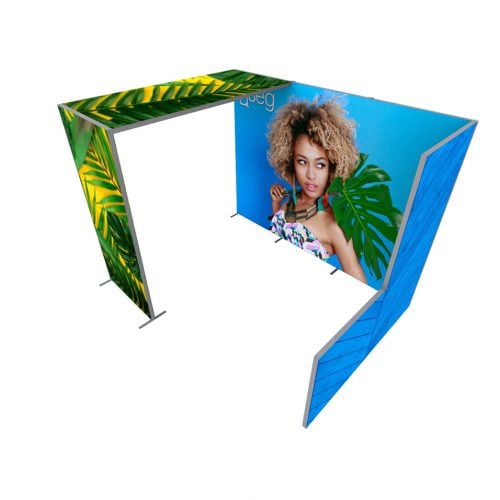
Configuration A is the entry point that serious exhibitors return to show after show — the qseg trade show booth configuration a display kit gives you a structured, multi-panel fabric wall system that covers your space with vivid, dye-sublimated graphics without demanding a crew or a freight budget. Engineered around the Qseg silicone edge graphic (SEG) frame system, each panel snaps together in minutes and holds its printed fabric taut and wrinkle-free across the full display face. The result is a clean, professional backdrop that reads clearly from across a crowded show floor. Graphics are produced to your exact brand specifications — full bleed, full color, no compromise — and the aluminum frame ships in a compact rolling case that fits in a standard SUV. If you have been searching for a qseg modular tradeshow format that scales without a complicated rebuild, Configuration A is where that conversation starts. The qseg trade show booth family covers several footprints, and this configuration is specifically sized and sequenced to deliver maximum visual impact for a standard inline booth.
Display Size: 118″W x 88.5″H x 88.5″D
Graphic Size: 121.5“W x 91“H (QSEG-300×225), 41.5“W x 91“H (QSEG-100×225), 41.5“W x 41.5“H (QSEG-100×100)
Graphic Material: Dye Sub Stretch Fabric
Package Includes
Getting the right kit starts with three questions — answer them honestly before you configure.
Configuration A is designed for exhibitors who want continuous graphic coverage along the back wall of a standard booth space. Measure your linear run and confirm the assembled width fits your floor plan before ordering. A qseg trade show wall that overruns the assigned footprint creates headaches with show management and neighboring exhibitors, so exact dimensions matter.
The Qseg frame system locks in fabric graphics using a thin silicone bead that seats into a channel around each frame section. That means your artwork files need to be sized and prepared with the correct bleed and safe-zone specifications before the kit ships. If your brand files are not yet print-ready, plan for a short proofing round — rushing this step is the single most common cause of delays.
One of the strongest arguments for this configuration is frame reuse. The aluminum extrusion holds up through repeated setups and teardowns, and swapping graphics is as straightforward as unzipping the old fabric and pressing in the new one. If you plan to refresh your message seasonally or by event type, the cost-per-show math improves significantly over time.
Not every fabric backwall system is built the same way, and the qseg trade show booth configuration a kit earns its place in the lineup for specific, structural reasons.
The SEG channel frame delivers a dead-flat graphic surface that stretched fabric systems and pop-up tension systems rarely match. Because the silicone bead is mechanically seated rather than hooked or clipped, the fabric does not sag or drift during the show day. That consistent tension is what keeps logos sharp and text legible even under uneven venue lighting.
The frame profile is also meaningfully lighter than hard-panel modular systems. Exhibitors who have moved from rigid panel booths to the Qseg format consistently note the difference in pack-out time and carry weight. For a deeper look at how that compares across system types, the modular trade show display guide breaks down fabric versus hard-panel versus pop-up formats with specific trade-offs outlined for each.
Configuration A is part of the broader Qseg modular display family, which spans single panels through full island configurations. That means the frame hardware from this kit is architecturally compatible with other Qseg products — useful to know if your exhibit strategy evolves and you want to add panels or change the footprint without starting over.
The custom qseg tradeshow graphic process is handled in-house at Showfire, so the print quality, color accuracy, and turnaround time are controlled variables rather than third-party guesses.
| Feature | Qseg Configuration A | Standard Stretch Fabric System | Hard-Panel Modular |
|---|---|---|---|
| Graphic surface tension | SEG channel (mechanical) | Hook-and-loop or clips | Fixed panel |
| Setup crew required | 1 person | 1 person | 2+ people |
| Frame weight class | Lightweight aluminum | Lightweight aluminum | Heavy aluminum or composite |
| Graphic swap difficulty | Low (peel and press) | Moderate | High (reprint/refit) |
| Compatible with Qseg add-ons | Yes | No | No |
If your needs lean toward a single-panel display rather than a multi-section configuration, the Qseg single frame display is a natural starting point — it uses the same frame system and graphics process at a smaller footprint and lower entry cost.
For exhibitors who also manage branded environments outside the show floor, the Qseg partitions line uses compatible hardware to create graphic room dividers and queue walls — worth knowing if your brand presence extends into offices or experiential retail spaces.
The qseg tradeshow kit ships in a rolling travel case sized to move without freight forwarding for most configurations. Frame sections connect through a twist-lock or slide channel depending on the profile, and the sequence is repeatable enough that most exhibitors set up unassisted after one practice run. Graphics fold flat inside the case alongside the frame, so nothing arrives creased or packed separately.
Showfire prints on premium dye-sublimation fabric that renders gradient transitions and photographic imagery with accuracy that commodity print vendors typically do not hit. Color profiles are matched to your brand standards during the file review, not after the fabric is cut.
The qseg trade show booth configuration a is a practical, durable, and visually strong choice for exhibitors who want professional results without the complexity of a custom-built island. Configure yours now at Showfire Displays, submit your artwork, and get a print-ready proof back fast. Browse the full qseg tradeshow display range to compare all available configurations, or reach out directly if you need guidance on which kit fits your floor plan and show schedule. Showfire’s team is ready to walk you through specs, timelines, and graphic prep — no guesswork, just a booth that works.
| Weight | 108 lbs |
|---|---|
| Dimensions | 7 × 24 × 45 in |
Products You May Also Like

Clogo 144 Airsquirrels

Clogo 231 Baytek

Clogo 232 Treemendous

Clogo 239 Freightwaves

Clogo 234 Hardyproair

Clogo 237 Redbull

Clogo 241 Animeusa

Clogo 230 Edgefactory

Clogo 236 Fujifilm

Clogo 63 Sclhealth

Clogo 251 Ivanzi

Clogo 242 Wescom

Clogo 250 Snapcab

Clogo 225 United Teleports

Clogo 219 Ecp

Clogo 218 Baylor

Clogo 243 Lord

Clogo 175 Tamucc

Clogo 224 Becker

Clogo 212 Bankofmarin

Clogo 199 Carpetsplus

Clogo 202 Arbor

Clogo 188 Jbhunt

Clogo 197 Meteor

Clogo 193 Randc

Clogo 183 Intuit

Clogo 184 K2 Spas

Clogo 185 Unl

Clogo 187 Cirquedesoleil

Clogo 178 Petra

Clogo 173 Freedom

Clogo 161 Universalorlando

Clogo 159 Paynewest
Clogo 158 Tyson

Clogo 167 Vantage

Clogo 180 Nlp
Clogo 155 Wrs

Clogo 152 Mir

Clogo 151 Vegalab

Clogo 146 Goldfishcons

Clogo 145 Arrowavi

Clogo 156 Frg
Clogo 120 Pga

Clogo 110 Ozark

Clogo 108 Main Even
Clogo 104 Waco

Clogo 91 Seattlepump

Clogo 111 Thechapel

Clogo 134 Bakenjoy

Clogo 133 Act

Clogo 142 Cfn

Clogo 140 Hydrofarm

Clogo 126 Aerofarms

Clogo 135 Scbc

Clogo 137 Ferrumcity

Clogo 94 Miyokos

Clogo 93 Landaw

Clogo 98 Renttruck

Clogo 100 Cpmontana

Clogo 85 Hulu

Clogo 87 Schomp
Clogo 88 Beefjerky

Clogo 103 Amature

Clogo 81 Gartner
Clogo 80 Betson

Clogo 75 Blades

Clogo 73 Roseland

Clogo 72 Vacumax

Clogo 65 Nationwide
Clogo 45 Holanamericaline

Clogo 44 Livenation

Clogo 37 Mobilefleet

Clogo 56 Corporater
Clogo 55 Nextstar
Clogo 36 Oro

Clogo 34 Corecontractors

Clogo 54 Tazikis

Clogo 46 Kbellaspa
Clogo 204 Congoleum

Clogo 32 Veoride

Clogo 33 Bigiron

Clogo 30 Nutrabolt
Clogo 17 Foodmaven

Clogo 24 Comcast
Clogo 21 Radiantcurch

Clogo 05 Nikaochurch
Clogo 28 Bindlecoffee

Clogo 83

Clogo 246 Cstechnologies

Clogo 247 Gainesville

Clogo 52 Godlan
Clogo 08 Theheightschurch
Clogo 12 Go By Greenshield Oragnic

Clogo 14 Backbeat Creative