Need Assitance?
Call us at 844-203-6588.
We Accept

Small footprint, serious graphic impact. If you are searching for a single-panel fabric display that sets up in minutes, ships without drama, and still delivers a polished, professional look, the qseg single frame is worth a close look. This is not a simplified version of a larger system -- it is a deliberate format choice for exhibitors, retailers, and event teams who need sharp branded presence without the overhead of a full booth structure. Understanding what the single-frame format actually offers, who it fits best, and what to confirm before you buy will save you time and make sure you get the right configuration the first time.
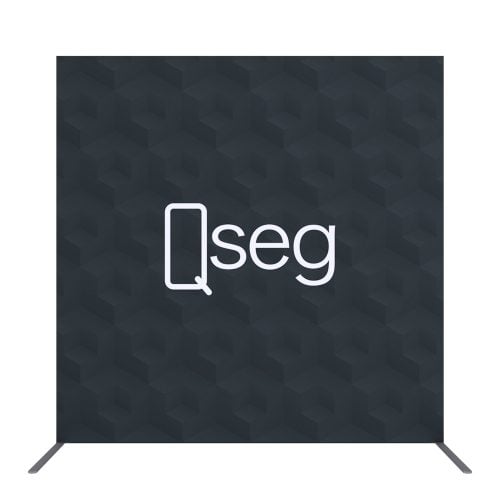
Most modular display systems are designed around the idea of expansion -- more panels, more columns, more footprint. The qseg single frame inverts that logic. It starts from the assumption that a single, well-executed graphic panel is often exactly what a space calls for. Retail pop-ups, small trade show booths, lobby installations, and event backdrops all share a common challenge: limited real estate paired with high visibility demands.
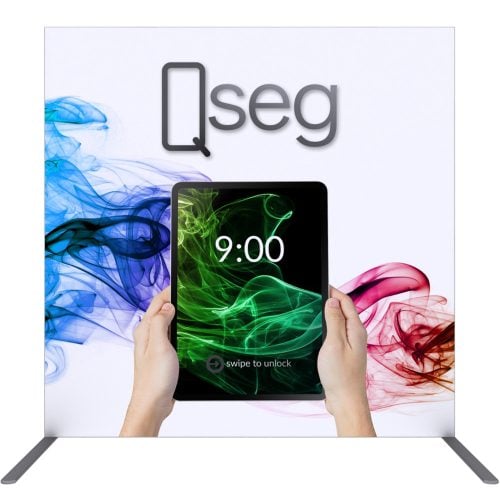
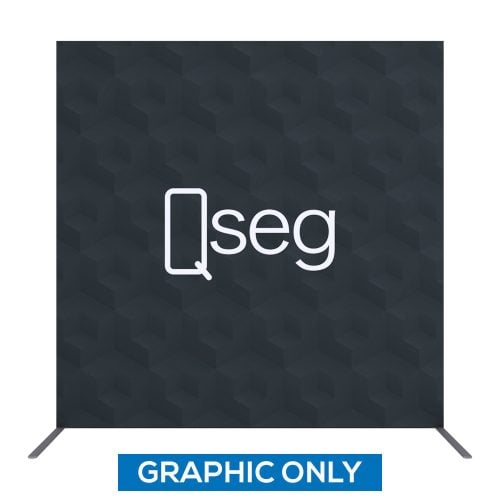
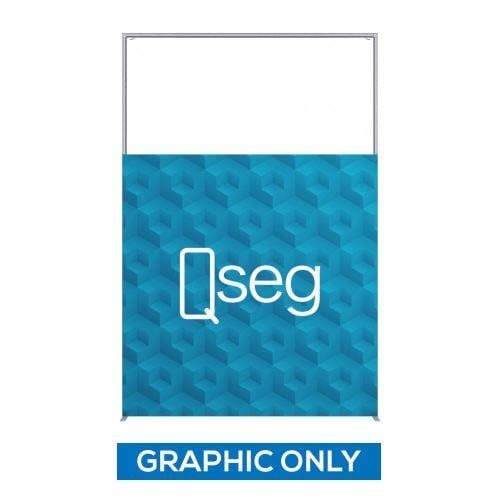
The Qseg system uses a silicone edge graphic (SEG) fabric print tensioned across a lightweight aluminum frame. The result is a wrinkle-free, seamless graphic surface that looks as refined as a hardwall display but packs down into a carry bag. That combination -- print quality plus portability -- is what distinguishes the format from foam-board or pop-up alternatives that tend to look dated under event lighting.
Because this display is part of the broader Qseg modular display family, frames can connect to additional panels if your needs grow. Buying a single frame today does not lock you into a permanent size ceiling -- the system is engineered so that expansion is additive rather than disruptive.
The qseg single frame suits a specific kind of buyer, and being honest about that fit saves frustration on both sides.
Exhibitors at smaller booths. A 10x10 inline space with a table in front does not need a 10-foot wide backwall. A single panel positioned behind a product display can anchor the space cleanly without overwhelming it or creating a cluttered, busy backdrop.
Retail and hospitality environments. Window displays, point-of-purchase branding zones, hotel lobby headers, and restaurant signage walls all benefit from the slim profile and the high-resolution fabric print surface. The qseg single panel format fits into architectural spaces that a bulkier frame system simply cannot.
Teams that need fast setup without support staff. One person can assemble a single-frame configuration. The aluminum extrusion snaps together, the SEG graphic tucks in along a channel around the perimeter, and the display is ready. There is no tool kit required and no instructions to decode on-site.
Buyers who want to test the system before scaling. If you are considering a larger modular structure but want to evaluate print quality, setup experience, and the general feel of the Qseg format first, a single panel is a rational starting point. You can always add panels later. If you eventually want to explore a full exhibit configuration, the Qseg trade show booth pages show how the same frame system scales into complete backwall and island setups.
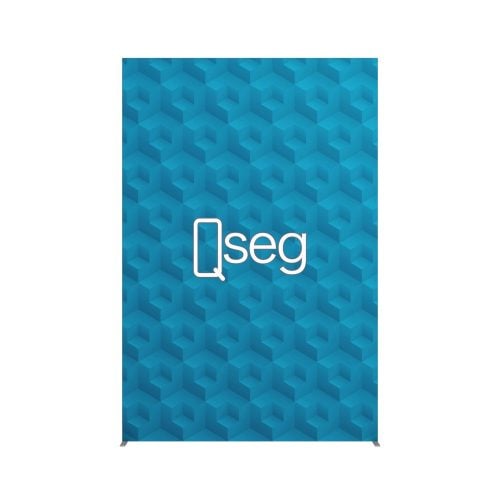
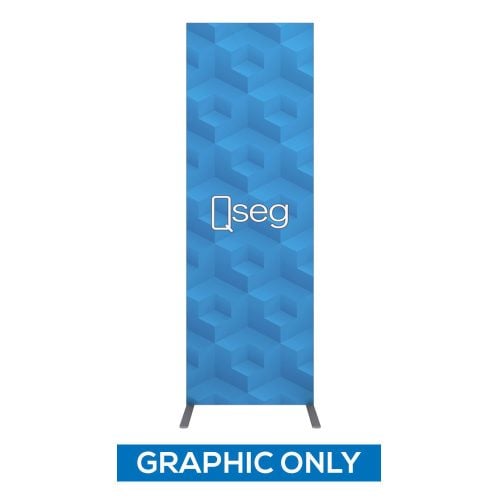
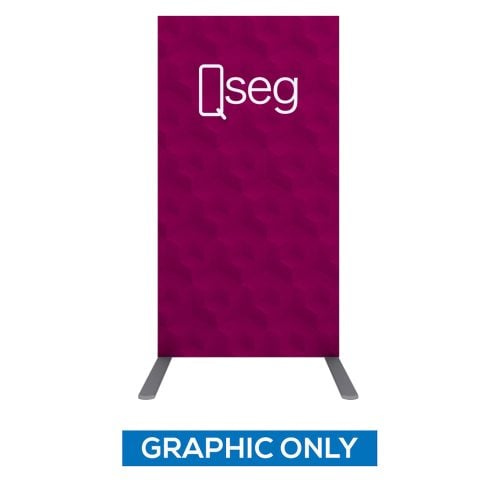
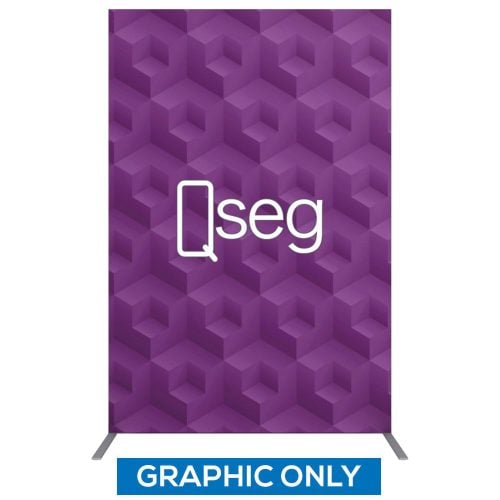
The single-frame format comes in a range of sizes suited to different spatial contexts. Two of the most popular are the 1.3 x 2.4 ft qseg single frame display and the 1.5 x 4.9 ft qseg single frame display. The smaller format works well as a counter-top or tabletop display -- compact enough to sit on a registration desk or retail counter without dominating the space. The taller format functions more as a freestanding or wall-mounted graphic panel, appropriate for banner-style applications in lobbies, corridors, or event entrances.
Choosing between sizes comes down to three practical questions: Where will the display be positioned (floor vs. surface)? How close will viewers typically be when they first engage with it? And how much of the visual field do you want the graphic to occupy?
| Frame Profile | Best Fit | Typical Use Context |
|---|---|---|
| Compact (tabletop range) | 1-2 m viewing distance | Counter displays, registration desks, tabletop setups |
| Tall (freestanding range) | 3-5 m viewing distance | Lobby panels, event entrances, inline booth backdrops |
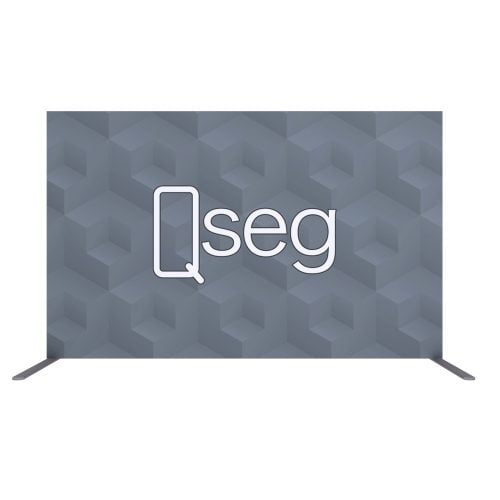
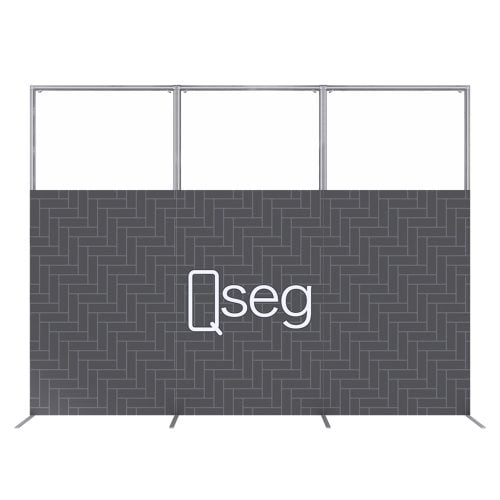
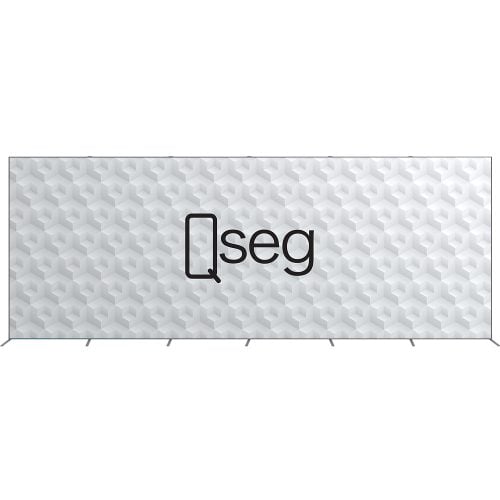
| Wide (landscape) | Side-angle visibility | Storefront windows, trade show table backdrops |
This is not an exhaustive size list -- Showfire carries additional single-frame dimensions, so confirm availability when you configure your order. The table above is a general guide to format logic rather than a fixed menu.
Getting the most from a qseg single frame purchase means thinking through a few specifics before finalizing your order.
Graphic file setup. SEG fabric printing requires artwork that accounts for the silicone edge channel. Your graphic designer needs the bleed and pull specifications for the frame size you select. Showfire provides print templates, so request the correct template for your chosen size when you place your order. Submitting a file built for the wrong frame size is the most common delay in production.
Single-sided vs. double-sided print. Some single-frame configurations support a double-sided fabric graphic, which is useful if the display will be viewed from both sides -- a freestanding panel in a corridor or an aisle-facing display in a trade show context. Confirm this option during ordering if it applies to your use case.
Frame finish and color. The standard aluminum extrusion comes in common anodized finishes. If you are placing the display next to other branded elements that use a specific metallic tone, check finish options before you commit.
Carrying and storage. One of the real advantages of the qseg lightweight modular format is the compact pack-down size. The single frame typically fits into a carry bag that qualifies as oversized luggage rather than freight -- a meaningful cost difference if you are flying to events. Confirm the packed dimensions for your chosen size if air transport is a regular part of your event schedule.
System compatibility. The Qseg frames are designed to connect, which means a single-frame purchase is compatible with additional panels if you expand later. If you are already using Qseg partitions for office or event space division, the modular office partitions in the Qseg line use the same core extrusion system, so hardware is interchangeable within the product family.
Qseg modular price and value. For buyers comparing the qseg modular kit against popup alternatives or rigid panel systems, the cost-per-use math typically favors Qseg over a three-to-five year horizon. Fabric graphics are replaceable without buying a new frame, which means the hardware investment carries forward across campaigns, rebrands, and seasonal creative changes.
If you are still in the early stages of evaluating display formats and want a broader framework for making this decision, the modular display buying guide covers how to match system type to your event frequency, booth size, and budget range. And if you are starting even earlier in the research process, the trade show displays buyer guide gives a full overview of how different display categories compare against each other.
Because a single frame concentrates all your brand messaging into one graphic surface, the design decisions carry more weight than they do in a multi-panel configuration. A few principles worth keeping in mind:
A single bold visual with minimal text almost always outperforms a panel loaded with bullet points and fine print. At trade show distances, the graphic needs to communicate in under three seconds. Save the detail copy for collateral materials and conversations with prospects.
High-contrast color combinations photograph well and hold up under varied event lighting. Avoid gradients that are subtle enough to disappear under fluorescent or tungsten light sources -- what looks refined on a monitor can flatten out significantly in a convention center.
If you plan to reuse the frame across multiple campaigns, design the graphic so the frame hardware is a neutral backdrop rather than an integrated visual element. That approach makes it straightforward to drop in a new fabric print without the design feeling mismatched from a hardware perspective.
The qseg single frame is a practical, high-quality answer to the specific question of "how do I get sharp branded presence in a compact, portable package?" It is not a compromise format -- it is a format with its own set of genuine strengths, particularly for buyers who value setup speed, low freight cost, and the flexibility to update graphics without replacing hardware.
Showfire's team can help you match the right frame size to your application, confirm graphic file requirements, and walk you through finish and print options. If you want to see how the full Qseg system scales -- from single panels into complete exhibit configurations -- explore the qseg modular kit options available across the product line.
Ready to configure your display? Contact Showfire Displays directly to get started, or browse the full Qseg catalog to find the size and configuration that fits your next event or installation.